The Era of Grain Rationing in China: A Generational Divide and Lingering Scars
A recent online discussion has sparked a renewed interest in China’s era of planned economy, specifically the period of grain rationing. The conversation highlights a significant generational divide in understanding the hardships of that time, with some younger generations seemingly unaware of the economic realities and social conditions that defined it.
The Realities of Planned Economy
During the 1970s and 80s, China operated under a strict planned economy. This meant that essential goods, including food, were distributed through a rationing system. Urban residents relied on ration cards to purchase limited quantities of staples like rice, flour, meat, and even cooking oil and soap.
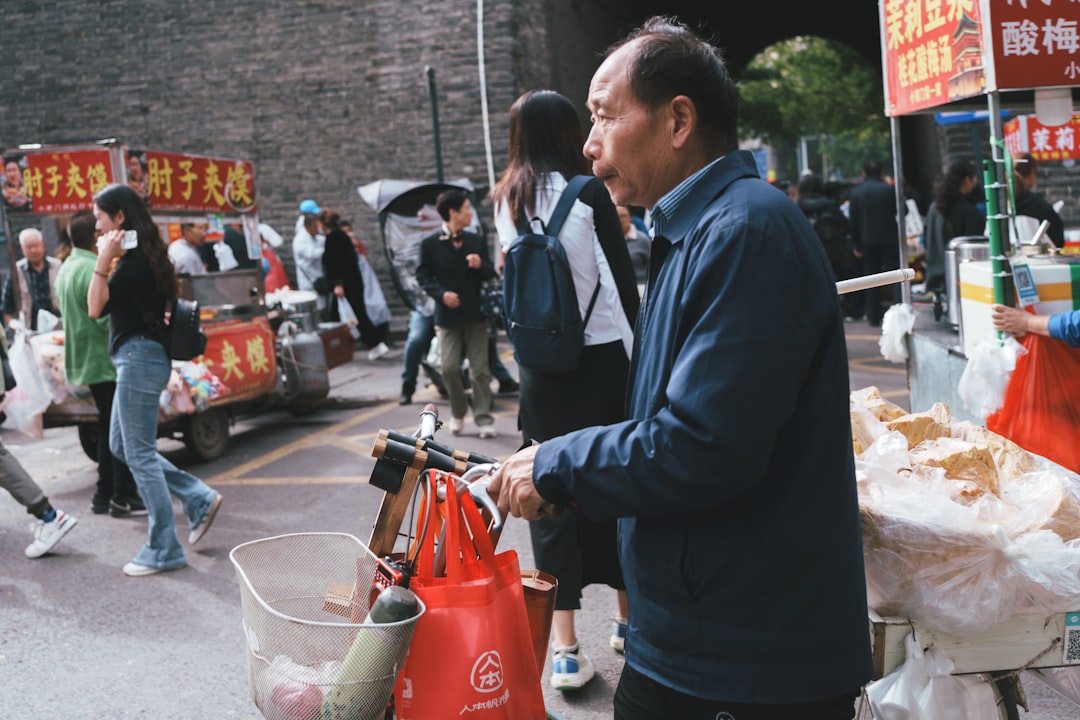
- Limited Access: Without an urban residency permit (户口, hùkǒu), survival in cities was nearly impossible.
- Ration Tickets: Essential items like eggs were also distributed via ration tickets, further restricting access.
- Grain Stores as Banks: Grain stores functioned similarly to banks, with allocated rations deducted from household accounts.
The Grain Store Experience
The grain store experience was a stark reminder of the era’s economic constraints. Customers would present their ration books and grain tickets at a counter resembling a bank teller’s window. After deducting the allocated amount, the staff would dispense the grain using a unique system.

The dispensing system typically involved a hopper and chute mechanism. The staff would measure the grain using a large metal scoop, then release it through the chute into the customer’s bag. This process was a common sight for those who lived through this period.
Generational Divide and Historical Amnesia
The online discussion reveals a troubling trend: a lack of awareness among some younger Chinese citizens about the hardships of the planned economy era. Some individuals, particularly those born in the 1990s and 2000s, appear to romanticize or misunderstand the realities of the time, seemingly unaware of the widespread poverty and limited access to basic necessities.
This “historical amnesia” is a cause for concern, as it risks erasing the lessons learned from a significant period in China’s history. It also raises questions about how history is taught and understood in contemporary Chinese society.
Reassessing Historical Figures and Events
The discussion touches upon the controversial figure of Wang Hongwen, a prominent political figure during the Cultural Revolution. Some younger individuals express a seemingly positive view of Wang, potentially influenced by his appearance or a lack of understanding of his role in the political turmoil of the time.
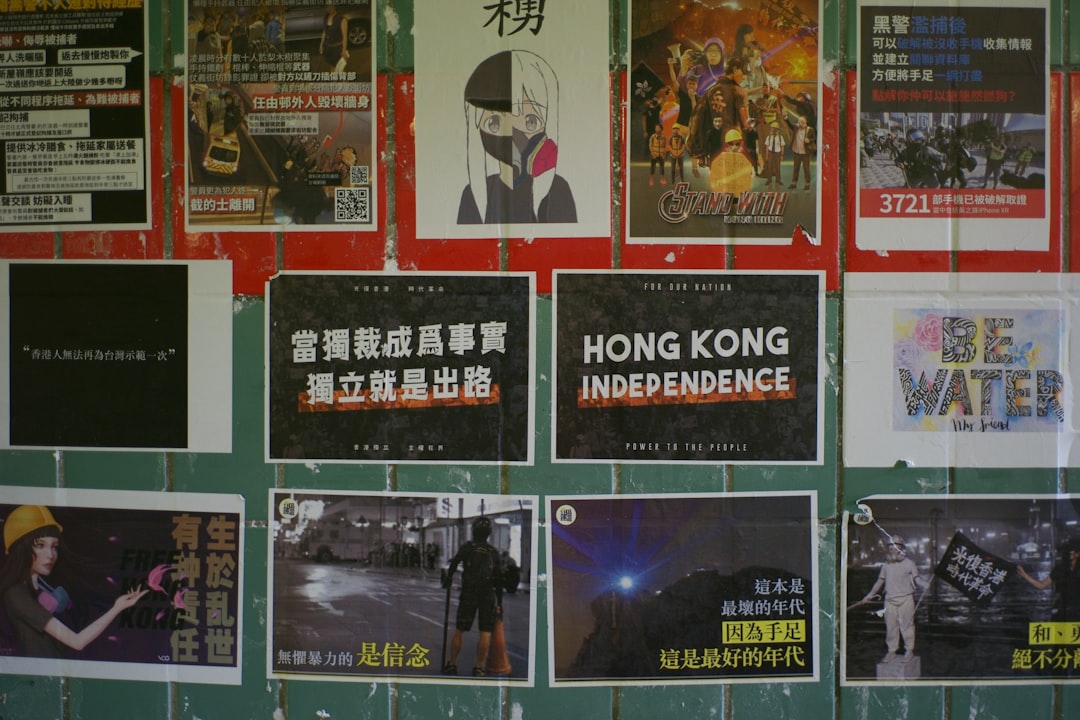
The speaker vehemently criticizes this revisionist perspective, emphasizing the negative consequences of the Cultural Revolution and the economic devastation that followed. The Cultural Revolution brought China to the brink of economic collapse, a historical fact that should not be forgotten or minimized.