Mao’s Chosen Successor: The Rise and Fall of Wang Hongwen
Wang Hongwen, a former security guard from Shanghai, experienced a meteoric rise during China’s Cultural Revolution, becoming Mao Zedong’s chosen successor. His story, however, is a cautionary tale of political opportunism and the dangers of unchecked power. This article delves into Wang’s ascent, his role within the “Gang of Four,” and the factors contributing to his ultimate downfall.
Mao’s Attraction to Wang Hongwen
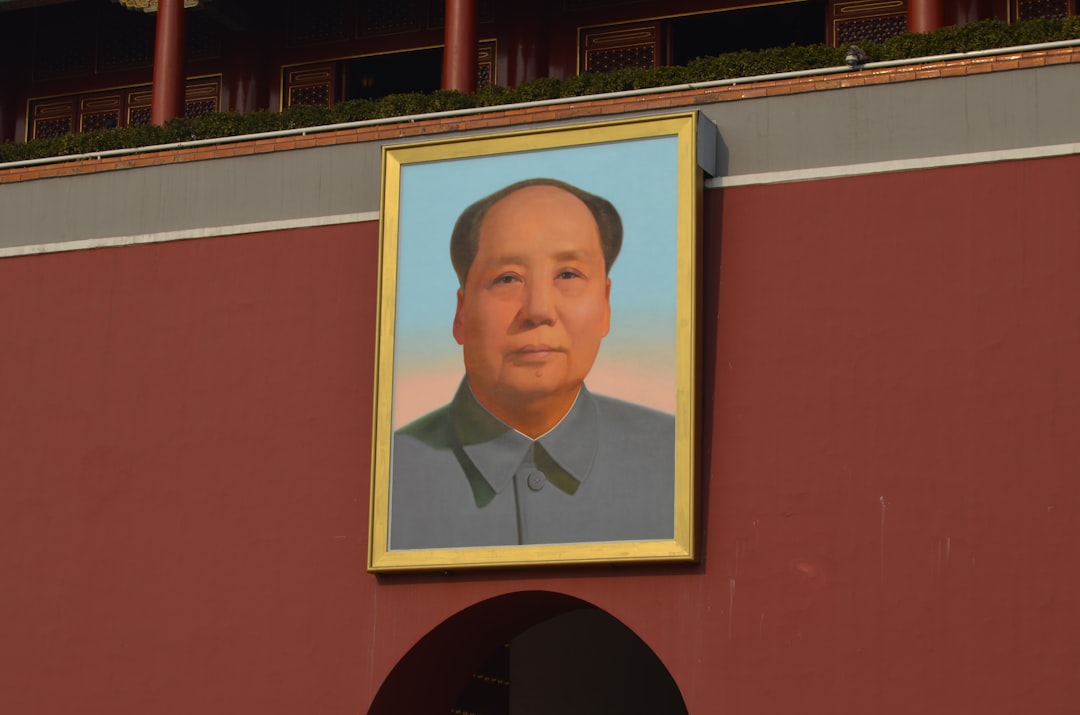
The speaker attributes Mao’s fascination with Wang to two primary factors: Wang’s appearance and Mao’s desire to find a successor from the working class. According to the speaker, Mao saw Wang Hongwen in a short video clip depicting his involvement in a Shanghai factory takeover. Impressed by Wang’s appearance and demeanor, Mao quickly promoted him within the party ranks.
- Mao Zedong was seeking a successor from the working class.
- Wang Hongwen’s appearance played a significant role in Mao’s decision.
- Mao sought to challenge the traditional elite by promoting individuals with humble backgrounds.
Wang Hongwen and the “Gang of Four”
Wang Hongwen became a prominent member of the “Gang of Four,” a powerful political faction that wielded considerable influence during the latter stages of the Cultural Revolution. The group, which included Mao’s wife Jiang Qing, wielded significant power and were responsible for the persecution of countless individuals.
The speaker notes that while Wang held a high-ranking position, he ultimately served as a pawn in Mao’s political game. His lack of experience and political acumen made him easily manipulated, and his loyalty was ultimately exploited for Mao’s own purposes.
The Cultural Revolution and its Impact
The Cultural Revolution (1966-1976) had a devastating impact on China’s economy and society. The speaker highlights the stagnation of China’s GDP during this period, contrasting it with the rapid economic growth experienced by other nations in East Asia. He also recounts personal experiences from his childhood, illustrating the hardships and social upheaval caused by the revolution.
- China’s GDP remained stagnant between 1960 and 1976.
- The Cultural Revolution led to widespread social and economic disruption.
- Personal anecdotes illustrate the impact of the revolution on ordinary citizens.
The Downfall and Legacy of Wang Hongwen
Following Mao’s death in 1976, the “Gang of Four” was arrested and held responsible for the excesses of the Cultural Revolution. Wang Hongwen was subsequently tried and convicted of counter-revolutionary crimes, and sentenced to life imprisonment. He died in 1992.
The speaker concludes by emphasizing the importance of institutional checks and balances in preventing corruption and abuse of power. He argues that Wang Hongwen’s story serves as a reminder that a person’s background is not a guarantee of integrity, and that a robust system of accountability is essential for ensuring ethical governance.
.