Economic Inequality and Social Pressures Fueling Public Frustration: An Expert Analysis
A recent discussion highlighted the growing sense of societal frustration stemming from economic inequality and the pressures of modern life. The analysis delves into how these factors contribute to public behavior and overall societal well-being, drawing comparisons between social dynamics in different countries.
The Core Issue: Wealth Disparity
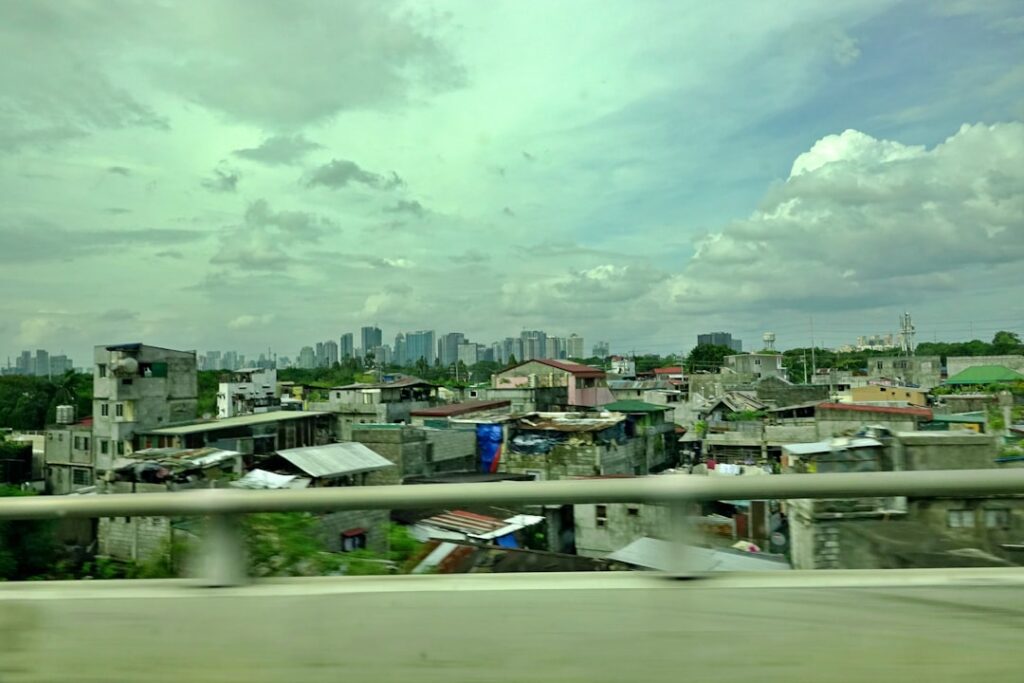
The conversation underscored the significant imbalance in wealth distribution as a primary cause of societal stress. It was noted that a disproportionate amount of resources is concentrated in the hands of a small percentage of the population, leading to intense competition for limited opportunities.
- 95% of the population competes for 10% of societal resources.
- 5% of the population controls 90% of societal resources, including education, assets, healthcare, and social opportunities.
This disparity creates a high-pressure environment, potentially leading to increased frustration and societal tension.
Cross-Cultural Comparisons: Canada vs. China
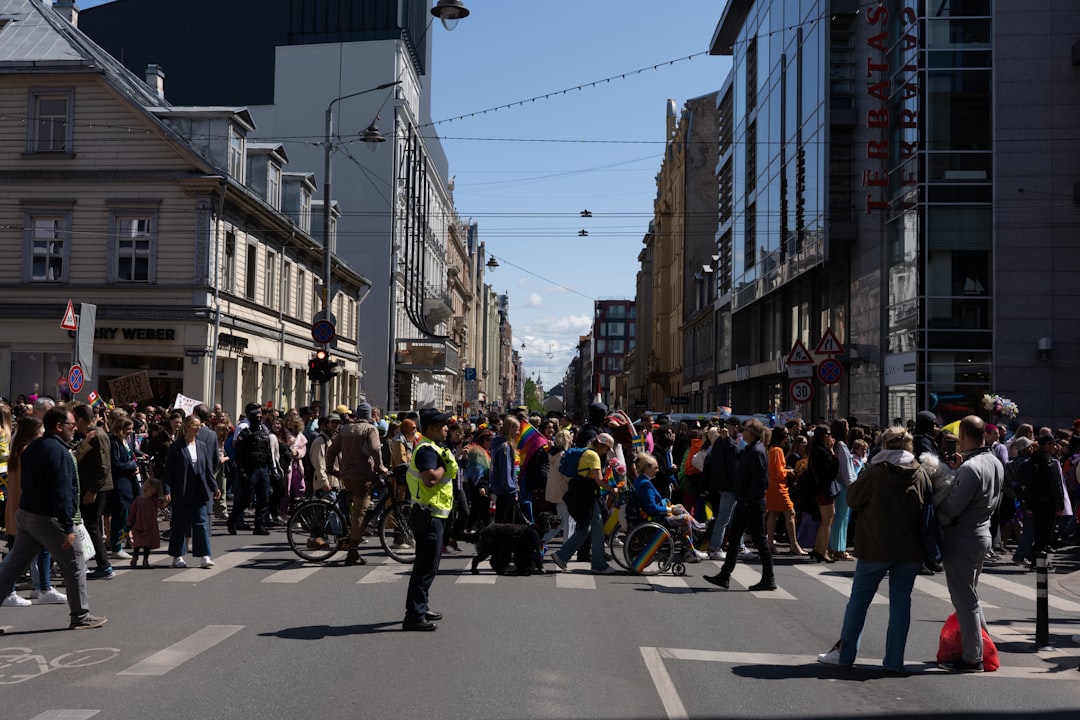
The speaker drew comparisons between social interactions in Canada and China, highlighting differences in how people handle everyday situations. In Canada, a strong emphasis is placed on patience and respect for others’ time, whereas in China, there can be a greater sense of urgency and competition for services.
The analysis suggests that societal norms and expectations play a significant role in shaping individual behavior and overall public sentiment. In Canada, service providers are expected to provide consistent and thorough service, regardless of how many people are waiting, fostering a sense of equality and respect.
The Impact of Societal Pressures
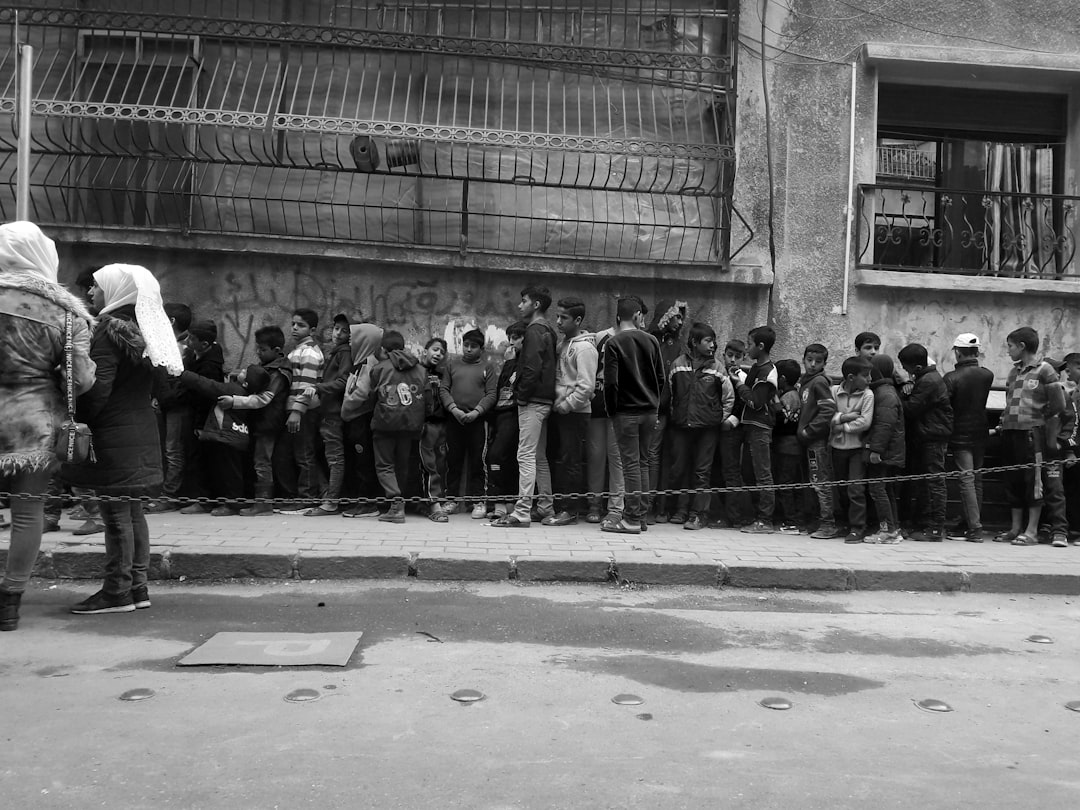
The discussion touched on how the pressure to succeed and acquire resources can lead to negative behaviors and a sense of underlying tension within communities. This can manifest as impatience, rudeness, and even aggression, as individuals feel they must compete fiercely to secure their share of limited resources.
The speaker also made note of the perceived differences in opportunities based on ethnicity, particularly in Western countries with policies aimed at promoting equality. While these policies intend to support marginalized groups, they can sometimes create a sense of resentment among those who feel disadvantaged by them.
Addressing Societal Issues
The analysis suggests that a more equitable distribution of resources and opportunities could alleviate some of the societal pressures contributing to public frustration. Additionally, fostering a culture of patience, respect, and understanding could help mitigate tensions and promote a more harmonious society.
However, it was also noted that fundamental societal changes are needed, including addressing systemic inequalities and ensuring that resources are allocated more fairly. The speaker criticized the tendency to blame external factors, such as foreign countries or specific groups, rather than addressing the root causes of inequality within the system.
Practical Lifestyle Advice
The speaker shared personal lifestyle tips, emphasizing the importance of natural aging and avoiding invasive cosmetic procedures. They also discussed the benefits of simplifying personal care routines, such as using only water to wash the face and opting for basic hair care products.
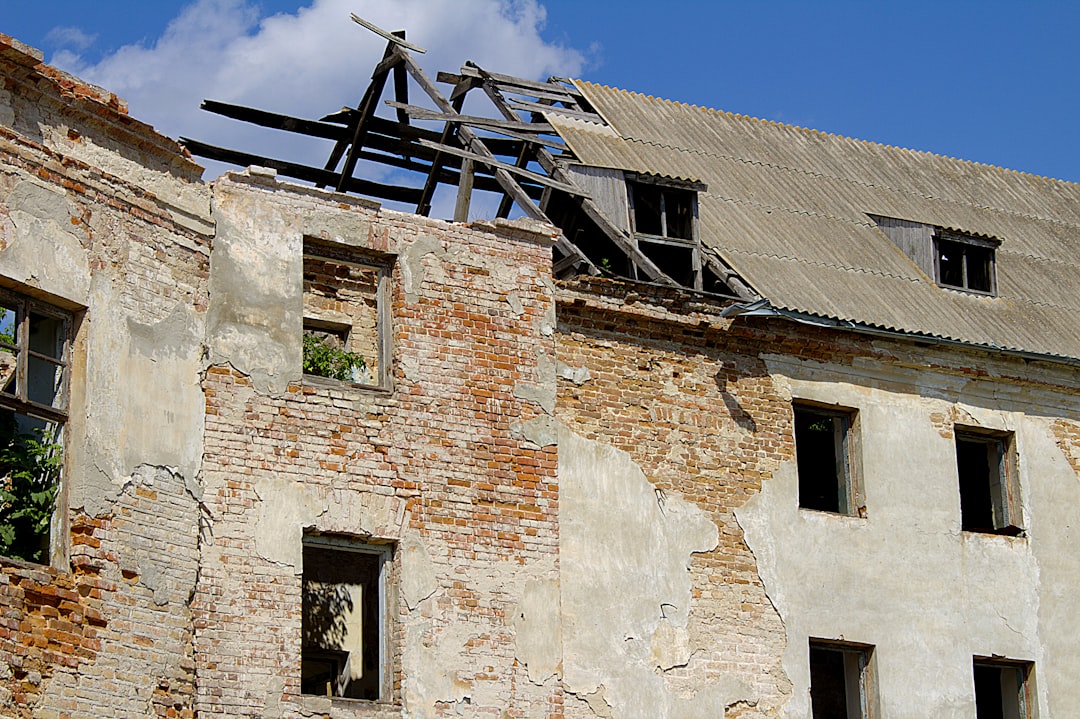
The speaker also touched on the long-term maintenance of infrastructure and buildings, warning that the rapid construction of high-rise buildings without proper planning for future maintenance could lead to problems in the future.