
CCTV’s “Delivery Rider” Film Sparks Backlash: Romanticizing Labor or Exploiting Hardship?
A recent short film co-produced by CCTV and Meituan, depicting a designer who finds fulfillment as a food delivery rider in Dali, has ignited a heated debate in China. While initially praised for its positive message, the film quickly drew criticism for allegedly romanticizing the hardships of the working class and blurring the lines between news and advertising. The controversy highlights growing concerns about labor exploitation and the role of state media in shaping public perception.

The Viral Short Film: A Designer’s “Workcation”
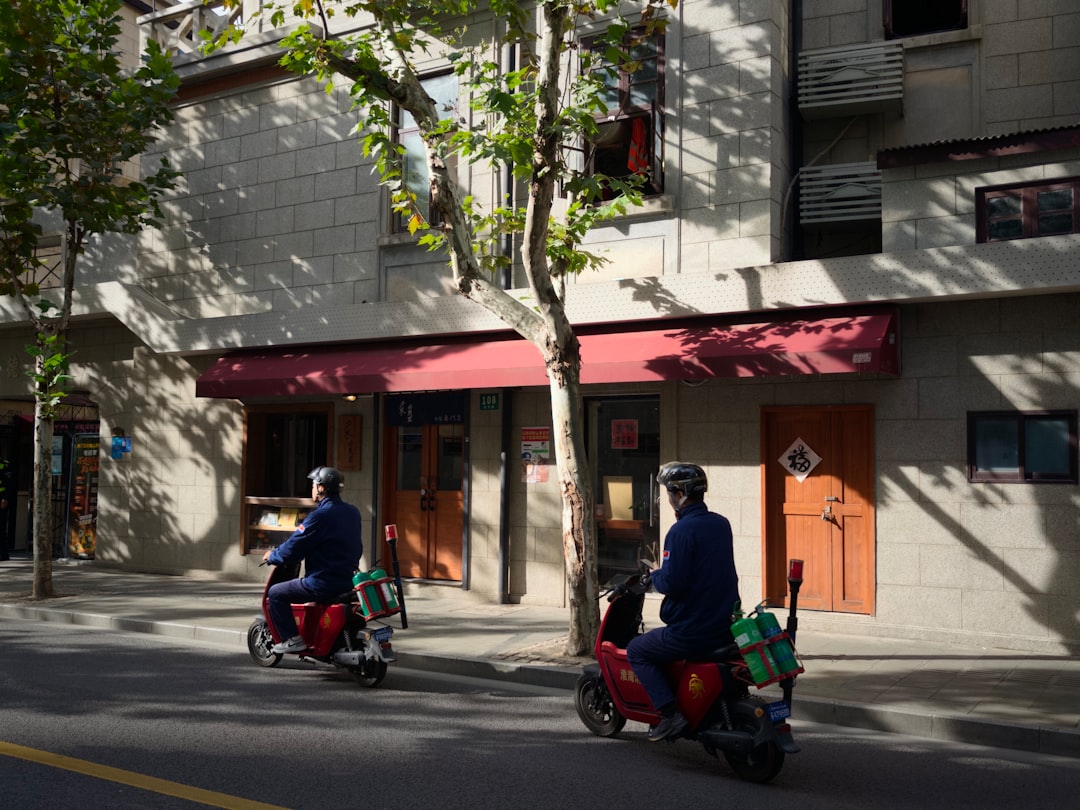
The film portrays a 30-year-old designer named Alan, who quits her mundane office job to become a Meituan delivery rider in Dali, Yunnan. The film depicts her enjoying the scenic routes, making decent money, and pursuing her dream of becoming a photographer. It painted a picture of a carefree “workcation,” leading many to believe that food delivery was a fulfilling and financially rewarding career.
- Alan quits her design job to become a Meituan delivery rider.
- She embraces the delivery job as a “digital nomad” lifestyle.
- The film suggests she earns enough to buy an expensive camera within three months.
- Alan felt she was inching closer to her dream, a personal photography exhibition she planned to call Images from the Delivery Box.
Contradictions and Backlash
The seemingly positive narrative began to unravel after Meituan issued an internal notice prohibiting riders from taking photos while working. Further fueling the controversy, the actress who played Alan revealed that the camera used in the film was a prop and that she, in reality, could not afford such a purchase. This revelation sparked public anger toward CCTV, with many accusing the network of fabricating the story and exploiting the struggles of real-life delivery riders.
CCTV’s “Brand Power Initiative” Under Scrutiny
The film was revealed to be part of CCTV’s “Brand Power Initiative,” a rebranded advertising campaign that allows companies to promote themselves through state media. Critics argue that this initiative blurs the lines between news and advertising, potentially misleading viewers and creating unfair competition. Concerns were raised about the ethics of presenting a dramatized promotional video as a true story on a state news channel.
- The film was part of CCTV’s “Brand Power Initiative,” a rebranded advertising campaign.
- Critics argue that it blurs the lines between news and advertising.
- The program was previously known as CCTV National Brand Plan, cancelled due to regulatory issues.
The Harsh Realities of Food Delivery
The controversy surrounding the film has shed light on the harsh realities faced by many food delivery riders in China. Reports indicate a surge in the number of female riders, many of whom are married, middle-aged mothers who have been laid off from other jobs. These women often work long hours under difficult conditions, driven by financial necessity rather than a desire for a “romantic” lifestyle.
- The number of female delivery riders has surged in recent years due to economic hardship.
- Many female riders are married, middle-aged mothers with significant family responsibilities.
- They work long hours under difficult conditions to provide for their families.
Romanticizing vs. Exploiting Hardship
Critics argue that the film’s idealized portrayal of food delivery romanticizes the hardships faced by the working class, effectively exploiting their suffering for commercial gain. Instead of addressing the real issues of low wages, lack of social security, and algorithmic pressure, the film encourages riders to “enjoy the scenery” and find fulfillment in their difficult circumstances. This approach is seen as condescending and dismissive of the struggles faced by ordinary workers.

The controversy surrounding the CCTV and Meituan short film serves as a reminder of the importance of responsible journalism and ethical advertising. It highlights the need to address the real issues faced by the working class, rather than romanticizing their hardships for commercial or political purposes.

