Blog

Your blog category

Blog

8. Tokenization of Real World Assets (RWA): Bridging Traditional Finance and Cryptocurrency.

Tokenized RWAs: The Bridge Between Traditional Finance and Crypto (Unlock Real-World Value) Real World Assets (RWAs) represent tangible or intangible assets that exist in the physical world. These can include real estate, commodities (gold, oil), art, intellectual property, and even debt instruments. Tokenization is the process of representing these assets as digital tokens on a

Blog

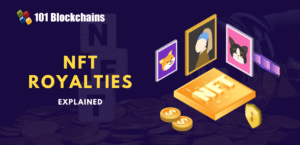
7. NFT Royalties on Web3 Marketplaces: Centralized vs. Decentralized Approaches.

Navigating NFT Royalties: Centralized vs. Decentralized Marketplaces on Web3 Introduction: The NFT Royalty Puzzle – Why Creators Need to Know NFT royalties are a crucial, often misunderstood, aspect of the Web3 creator economy. They represent a percentage of secondary sales that creators receive each time their NFT changes hands. This mechanism aims to provide ongoing

Blog

6. From $500 to $100k: The Risks and Rewards of Low Cap Token Flipping in the Shiba Inu & Dogecoin Era.

From $500 to $100k? The High-Stakes World of Low Cap Crypto Flipping (Shiba Inu & Dogecoin Edition) Introduction: Meme Dreams or Financial Nightmare? The allure of turning a modest $500 investment into a life-altering $100,000 through low cap crypto flipping is undeniable. The stories are captivating – ordinary individuals achieving extraordinary returns in a short

Blog

5. Whale Movements & Market Manipulation: Decoding Signals and Mitigating Risk.

Whale Watching on Wall Street: 5 Ways to Spot Market Manipulation and Protect Your Portfolio Introduction: The Shadowy Influence of Whale Movements and Market Manipulation The financial markets, often likened to vast oceans, are home to diverse participants. Among them are whales – entities with significant capital that can influence asset prices through their trading

Blog

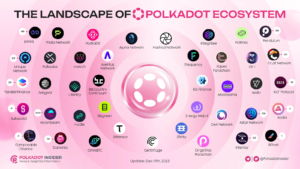
4. CrossChain Liquidity: Solana, Polkadot, and the Quest for a Unified Crypto Ecosystem.

Unlocking Cross-Chain Liquidity: Solana, Polkadot, and the Dream of a Unified Crypto World The blockchain ecosystem, while revolutionary, suffers from a critical flaw: fragmentation. Different blockchains operate in silos, making it difficult and costly to move assets and data between them. This limits the potential of decentralized finance (DeFi) and hinders the creation of truly

Blog

3. Tempo Testnet & Monad Mainnet: A Deep Dive into NextGen Blockchain Scalability.

Tempo Testnet & Monad Mainnet: Unlocking Blockchain Scalability’s Next Chapter Blockchain technology holds immense potential, but its widespread adoption is hampered by a persistent challenge: scalability. This article delves into how Monad is addressing this issue with its innovative Tempo Testnet and Mainnet, exploring their features, performance, and implications for the future of decentralized applications.

Blog

2. Zcash vs. Monero: The Future of Privacy Coins Amidst Regulatory Scrutiny?

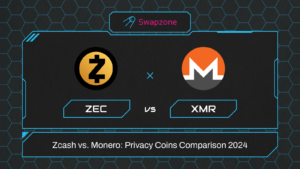
Zcash vs. Monero: Privacy Coin Showdown – Which Survives Regulatory Scrutiny? Privacy coins, cryptocurrencies designed to obscure transaction details, have become a focal point of debate and regulatory scrutiny. Among the leading privacy coins, Zcash (ZEC) and Monero (XMR) stand out. This article explores their core differences, strengths, weaknesses, and ultimately, which might fare better

Blog

1. How MEV Exploits Market Structure: Protecting Your DEX Trades.

MEV Attacks on DEXs: How to Protect Your Trades from Front-Running and Sandwich Attacks Introduction: Understanding MEV and Its Threat to DEX Traders Decentralized Exchanges (DEXs) offer a permissionless and transparent way to trade cryptocurrencies. However, this transparency also opens the door to a significant threat: Miner Extractable Value (MEV). MEV refers to the profit

Scroll to Top