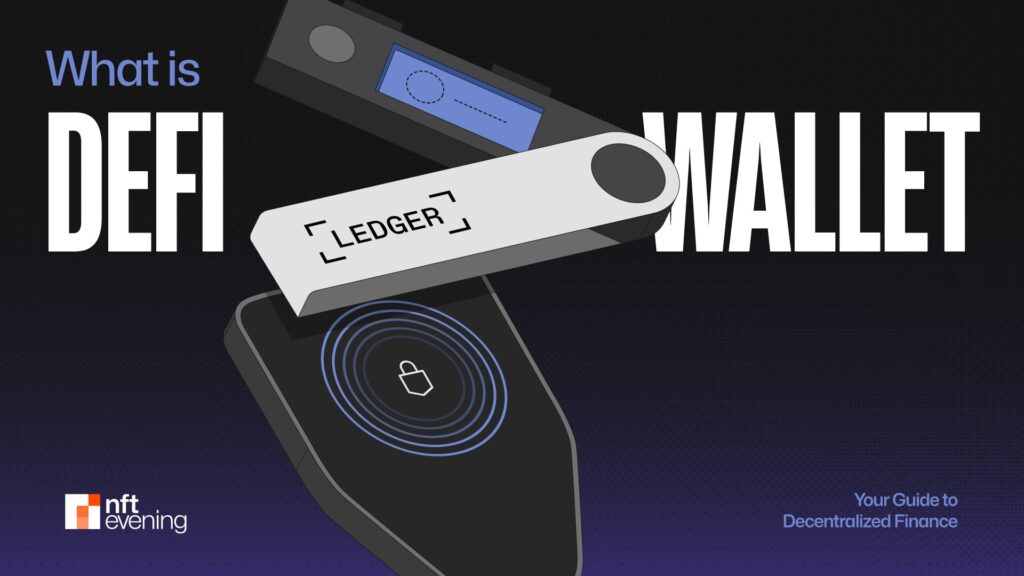
Unbreakable Fortress: Hardware Wallets and DeFi Security – Protecting Your Seed Phrase from Smart Contract Exploits
Introduction: The Rising Threat to Your DeFi Assets and the Importance of Hardware Wallets
Decentralized Finance (DeFi) has exploded in popularity, offering unprecedented opportunities for yield farming, lending, and trading. However, this rapid growth has also attracted malicious actors eager to exploit vulnerabilities in smart contracts and compromise user funds. A single compromised seed phrase can lead to the complete loss of your digital assets. This is where hardware wallets become essential – your first line of defense.
Understanding the Vulnerabilities: How Smart Contract Exploits Target Your Private Keys
Smart contract exploits are a constant threat in the DeFi space. These exploits can range from simple programming errors to sophisticated attacks that manipulate the logic of a smart contract to drain funds. While the smart contracts themselves are the primary target, attackers ultimately need access to your private keys to authorize transactions and move your assets. Here’s how it works:
- Phishing Attacks: Scammers create fake websites that mimic legitimate DeFi platforms, tricking users into entering their seed phrases or private keys.
- Malicious DApps: Connecting your wallet to a compromised or malicious Decentralized Application (DApp) can grant the DApp unauthorized access to your funds.
- Browser Extensions: Malicious browser extensions can intercept your private keys or seed phrases as you type them.
- Compromised Devices: If your computer or phone is infected with malware, attackers can steal your seed phrase or private keys.
The common thread in all these attacks is the compromise of your private key which is derived from your seed phrase.
Hardware Wallets: Your Offline Shield Against Online Threats in DeFi
A hardware wallet is a physical device that stores your private keys offline. This “cold storage” significantly reduces the risk of your keys being compromised by online attacks. Here’s why hardware wallets are crucial for DeFi security:
- Private Keys Never Leave the Device: When you interact with a DApp, the transaction is signed on the hardware wallet itself, and only the signed transaction is sent to your computer or phone. Your private key remains securely stored within the device.
- Protection Against Keyloggers and Malware: Because your seed phrase and private keys are never directly entered into your computer, keyloggers and other malware cannot steal them.
- Transaction Verification: Hardware wallets display transaction details on their screen, allowing you to verify that you are sending the correct amount to the correct address before signing.
- PIN Protection: A PIN code protects your hardware wallet from unauthorized access if it is lost or stolen.
Think of it like a bank vault for your crypto keys. Your keys are always safely locked away, only coming out to sign transactions you explicitly approve on the device itself.
Seed Phrase Security is Paramount: Best Practices for Backing Up and Protecting Your 12/24 Words
Your seed phrase (also known as a recovery phrase or mnemonic phrase) is the master key to your cryptocurrency wallet. If someone gains access to your seed phrase, they can control all of your funds. Therefore, protecting your seed phrase is paramount.
Here are best practices for backing up and protecting your seed phrase:
- Write it Down: Write your seed phrase down on a piece of paper. Avoid storing it digitally on your computer, phone, or in the cloud.
- Multiple Backups: Create multiple physical backups of your seed phrase and store them in separate, secure locations (e.g., a safe deposit box, a fireproof safe at home, with a trusted family member).
- Use a Metal Backup: Consider using a metal seed phrase backup to protect against fire, water damage, and corrosion.
- Never Share Your Seed Phrase: Never, ever share your seed phrase with anyone, including customer support representatives or anyone claiming to be a representative of a DeFi platform.
- Be Wary of Phishing: Be extremely cautious of phishing emails, websites, and messages that ask for your seed phrase. Always double-check the URL of websites and verify the sender of emails.
- Consider Seed Phrase Splitting: Advanced users may split their seed phrase using Shamir Secret Sharing (SSS) to create multiple shares, any
mofnbeing required to reconstruct the seed.
Python can be used to demonstrate the concept of seed phrase recovery (though DO NOT implement this with your actual seed phrase):
from mnemonic import Mnemonic
from hdwallet import HDWallet
from hdwallet.symbols import BTC as SYMBOL

# Example - NEVER DO THIS WITH YOUR REAL SEED PHRASE
mnemonic_words = "abandon ability able about above absent absorb abstract absurd abuse access accident"

# Restore HDWallet from mnemonic phrase
hdwallet = HDWallet(symbol=SYMBOL)
hdwallet.from_mnemonic(
    mnemonic=mnemonic_words, language="english"
)

# Print all HDWallet information's
hdwallet.clean_derivation()
hdwallet.from_path("m/44'/0'/0'/0/0")
hdwallet.p2wpkh_address()

print(hdwallet.p2wpkh_address())
WARNING: The above example is for educational purposes only. NEVER enter your actual seed phrase into a computer. It is vulnerable to malware.
Advanced Hardware Wallet Techniques for DeFi: Multi-Sig, Passphrases, and Device Security
Beyond basic seed phrase protection, advanced hardware wallet techniques can further enhance your DeFi security:
- Multi-Signature Wallets (Multi-Sig): Multi-sig wallets require multiple approvals to authorize a transaction. This means that even if one private key is compromised, the attacker cannot access the funds without the other key(s). This adds a robust layer of security, especially for large holdings or shared accounts.
- Passphrases (Hidden Wallets): A passphrase is an additional word or phrase that you add to your seed phrase. This creates a completely separate wallet with its own set of private keys. Even if your seed phrase is compromised, the attacker will not be able to access the funds in your passphrase-protected wallet unless they also know the passphrase.
- Device Security: Keep your hardware wallet’s firmware up to date. Use a strong PIN code to protect your device. Store your hardware wallet in a secure location. Be wary of fake or tampered hardware wallets.
Mitigating Smart Contract Risk: Research, Diversification, and Permissioned DeFi
While hardware wallets protect your private keys, they don’t eliminate the risk of interacting with faulty or malicious smart contracts. Therefore, it’s crucial to take steps to mitigate smart contract risk:
- Research Projects Thoroughly: Before interacting with any DeFi protocol, research the project’s team, code, and security audits. Look for projects with a proven track record and a strong focus on security.
- Diversify Your Holdings: Don’t put all your eggs in one basket. Diversify your holdings across multiple DeFi platforms and assets to reduce the impact of a potential exploit on any single project.
- Start Small: When trying out a new DeFi protocol, start with a small amount of funds to test the waters before committing larger amounts.
- Permissioned DeFi: Explore permissioned DeFi protocols that require whitelisting or KYC (Know Your Customer) verification. While this goes against the core ethos of DeFi, it can provide an additional layer of security and regulatory compliance.
- Use Simulation Tools: Some tools allow you to simulate transactions before broadcasting them to the blockchain, helping you identify potential vulnerabilities or unexpected outcomes.
To run a local blockchain simulation, you’ll need a development environment. If you are looking for a quick and reliable development environment, consider using Hostinger. They offer affordable and easy-to-use hosting solutions with excellent performance, making them a great choice for setting up a local blockchain node. Their competitive pricing and user-friendly interface make them perfect for both beginners and experienced developers. The speed that Hostinger provides allows you to test and deploy smart contracts efficiently.
Conclusion: Mastering Hardware Wallet Security for Confident DeFi Participation
Participating in DeFi offers exciting opportunities, but it also requires a strong understanding of security best practices. Hardware wallets are your essential tool for protecting your seed phrase and private keys from online threats. By combining hardware wallet security with careful research, diversification, and risk mitigation strategies, you can confidently navigate the DeFi landscape and protect your digital assets. Always prioritize the safety of your seed phrase; it’s the key to your digital kingdom.
Disclaimer: This is not financial advice.
Visual Guide
A[DeFi Security] –> B{Threats};
B –> C[Smart Contract Exploits];
B –> D[Compromised Seed Phrase];
C –> E[Phishing Attacks];
C –> F[Malicious DApps];
C –> G[Browser Extensions];
C –> H[Compromised Devices];
D –> I[Loss of Funds];
A –> J[Hardware Wallets];
J –> K[Offline Storage of Private Keys];
K –> L[Protection Against Online Threats];
L –> I;