Chain Abstraction: The End of the Layer 1 vs Layer 2 Wars?
Introduction: The Fragmented Blockchain Landscape and the Promise of Chain Abstraction
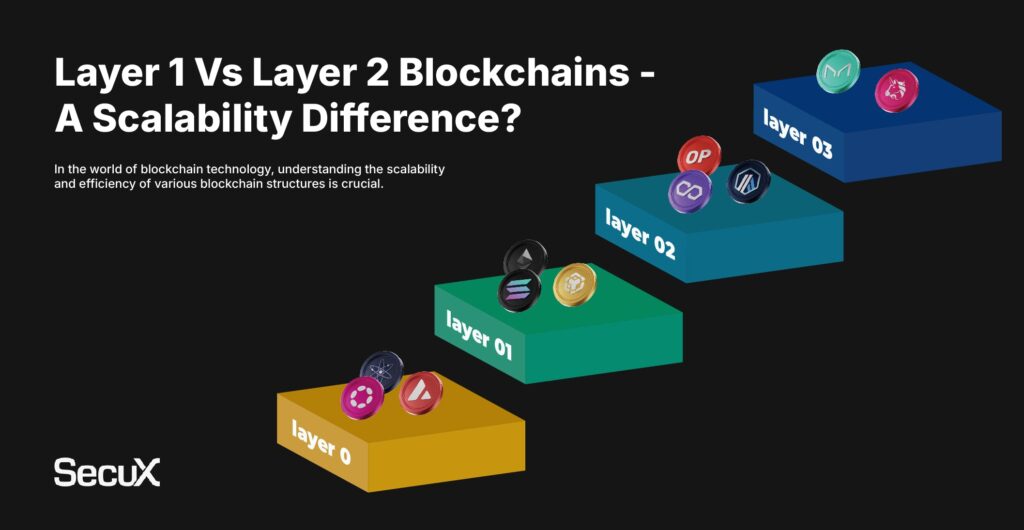
The blockchain world, while revolutionary, is currently plagued by fragmentation. Multiple Layer 1 (L1) blockchains like Ethereum, Solana, and Avalanche, each with their own strengths and weaknesses, compete for dominance. On top of these, Layer 2 (L2) scaling solutions like Arbitrum, Optimism, and zkSync attempt to improve transaction speeds and reduce costs, adding another layer of complexity. This fractured landscape makes it difficult for users and developers alike to navigate the ecosystem. Chain abstraction emerges as a potential solution, aiming to create a unified experience that transcends individual chains and fosters interoperability.
What is Chain Abstraction and How Does it Work?
Chain abstraction refers to a technology that simplifies the complexities of interacting with different blockchains. Instead of requiring users to understand the intricacies of each chain – different gas tokens, bridge mechanisms, and smart contract standards – chain abstraction provides a single, unified interface.
Here’s how it generally works:
- Unified Interface: A central platform or protocol acts as an intermediary, presenting a single point of access to multiple chains.
- Smart Contract Aggregation: Complex tasks, like swapping tokens across chains, are handled by abstracted smart contracts. These contracts handle the bridging and underlying logic, hiding it from the user.
- Relayers and Interoperability Protocols: Relayers or interoperability protocols like IBC (Inter-Blockchain Communication) are used to facilitate communication and data transfer between chains.
- Generalized Cross-Chain Messaging: This is used to trigger actions on other chains, enabling more complex use cases than simple token transfers.
Consider a simple example of a cross-chain swap. Without chain abstraction, a user would need to:
- Acquire the native gas token of both the source and destination chains.
- Find a reliable bridge to move tokens.
- Pay gas fees on both chains for the bridging and swapping transactions.
- Understand the differences in slippage tolerance across different DEXes.
With chain abstraction, all of this would be handled automatically in the background. The user would simply specify the tokens they want to swap and the destination chain, and the protocol would handle the rest.
Here’s a simplified Python example (for illustrative purposes only – real-world implementation is far more complex):
class ChainAbstraction:
    def __init__(self, supported_chains):
        self.supported_chains = supported_chains
        # Initialize connection to each chain (using web3.py or similar)
        self.chain_connections = {} #Placeholder for actual connection objects

    def swap_tokens(self, source_chain, dest_chain, token_in, token_out, amount):
        """
        Simulates a cross-chain swap.
        """
        if source_chain not in self.supported_chains or dest_chain not in self.supported_chains:
            return "Chain not supported"

        # **Simplified** logic for cross-chain swap
        # In reality, this would involve bridging, DEX interaction, etc.

        print(f"Initiating swap: {amount} {token_in} from {source_chain} to {dest_chain} for {token_out}")

        # Placeholder for actual transaction signing and submission
        transaction_hash = "0x" + "1" * 64 # Dummy transaction hash

        return f"Swap initiated. Transaction hash: {transaction_hash}"

# Example Usage:
abstraction = ChainAbstraction(["Ethereum", "Polygon"])
result = abstraction.swap_tokens("Ethereum", "Polygon", "ETH", "MATIC", 1)
print(result)
This simplistic code shows the potential. The user interacts with a single ChainAbstraction object, which then handles the complexities of dealing with different chains.
User Experience Revolution: Seamless Access Across All Chains
The most significant benefit of chain abstraction is the drastically improved user experience. It promises:
- Simplified Onboarding: No need to understand the intricacies of each chain. Users can interact with dApps regardless of which chain they are deployed on.
- Reduced Gas Fees: By optimizing transaction routing and potentially aggregating transactions across multiple chains, chain abstraction can lower gas costs.
- One-Click Transactions: Complex multi-step processes, like cross-chain swaps, can be reduced to a single click, significantly improving convenience.
- Unified Token Management: Users can manage their assets across multiple chains from a single wallet or interface.
This seamless experience can significantly broaden the appeal of blockchain technology to a wider audience. Imagine a user being able to use a decentralized social media app regardless of whether it’s built on Ethereum, Solana, or Polygon, without even realizing the difference. This level of abstraction is key to mainstream adoption.
Developer Benefits: Building Applications for Everyone, Everywhere
Chain abstraction empowers developers to build truly universal applications. They no longer need to choose a single chain and potentially limit their user base. Benefits for developers include:
- Expanded Reach: Applications can reach users across all supported chains, maximizing adoption.
- Simplified Development: Developers can focus on building core functionality without being bogged down by the complexities of cross-chain interoperability.
- Access to a Wider Range of Resources: Developers can leverage the unique features and advantages of different chains within a single application.
- Future-Proofing: Applications are less dependent on the success or failure of a single chain.
To make development easier, good hosting is essential. For a fast, reliable, and affordable hosting solution, I’d recommend checking out Hostinger. They’re known for their speed, ease of use, and competitive pricing, making them perfect for deploying dApps and managing your web infrastructure.
Will Chain Abstraction Truly End the L1/L2 Debate? The Challenges and Opportunities
While chain abstraction holds immense promise, it’s not a silver bullet. Several challenges need to be addressed:
- Security Risks: Interoperability protocols introduce new attack vectors. Security vulnerabilities in one chain or bridge could potentially compromise the entire ecosystem.
- Complexity: Implementing robust chain abstraction requires sophisticated engineering and careful consideration of various security and performance trade-offs.
- Governance: Establishing clear governance mechanisms for managing and upgrading the abstracted layer is crucial to ensure its long-term sustainability.
- Scalability: The abstracted layer itself needs to be scalable to handle the increasing volume of cross-chain transactions.
Despite these challenges, the opportunities presented by chain abstraction are significant. It could:
- Foster Collaboration: Encourage greater collaboration between different blockchain communities, leading to a more unified and interoperable ecosystem.
- Drive Innovation: Unlock new use cases that are currently impossible due to the limitations of isolated chains.
- Accelerate Adoption: Make blockchain technology more accessible and user-friendly, driving mass adoption.
The L1/L2 debate might not completely disappear, but chain abstraction can significantly reduce its importance. Instead of focusing on which chain is “better,” the focus shifts to building the best applications, regardless of the underlying infrastructure.
Conclusion: A Unified Blockchain Future Powered by Chain Abstraction
Chain abstraction represents a significant step towards a more unified and accessible blockchain future. By simplifying the user experience and empowering developers to build truly universal applications, it has the potential to break down the silos between different chains and unlock the full potential of decentralized technology. While challenges remain, the benefits of chain abstraction are undeniable, paving the way for a more interoperable and user-friendly blockchain ecosystem. Choosing the right tools, including a reliable hosting provider like Hostinger, will be crucial for developers in building this future.
Disclaimer: This is not financial advice.
Visual Guide
subgraph Blockchain Ecosystem
L1[Layer 1 Chains: Ethereum, Solana, Avalanche]
L2[Layer 2 Solutions: Arbitrum, Optimism, zkSync]
end
Fragmentation –> ChainAbstraction
L1 –> Fragmentation
L2 –> Fragmentation
subgraph Chain Abstraction
UI[Unified Interface]
SCA[Smart Contract Aggregation]
RIP[Relayers & Interoperability Protocols (IBC)]
GCCM[Generalized Cross-Chain Messaging]
end
ChainAbstraction –> UI
ChainAbstraction –> SCA
ChainAbstraction –> RIP
ChainAbstraction –> GCCM
style Fragmentation fill:#f9f,stroke:#333,stroke-width:2px
style ChainAbstraction fill:#ccf,stroke:#333,stroke-width:2px