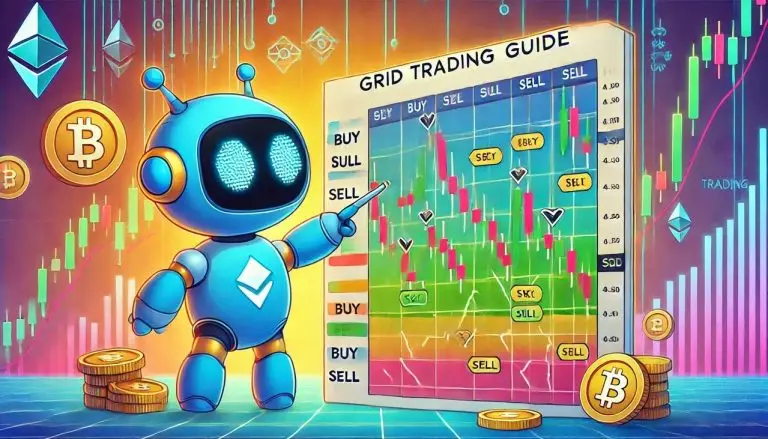
Ride the Bitcoin Halving Wave: 9 Grid Trading Bots for HODLers Seeking Automated Profit in Volatile Markets
The Bitcoin halving is a highly anticipated event that historically triggers significant price volatility. For long-term holders (HODLers), this presents both opportunity and risk. While HODLing is a sound long-term strategy, periods of high volatility can be leveraged for short-term gains using automated trading strategies. This article explores how grid trading bots can help HODLers navigate post-halving Bitcoin volatility and potentially increase their Bitcoin holdings.
Introduction: Bitcoin Halving Volatility – Opportunity or Risk for HODLers?
The Bitcoin halving, which occurs roughly every four years, reduces the reward miners receive for validating transactions by 50%. This decrease in supply, coupled with consistent or increasing demand, often leads to significant price fluctuations. For HODLers, this can be a double-edged sword. Sharp price drops can be unnerving, while rapid price increases can be difficult to capitalize on without actively trading. Grid trading bots offer a solution by automating buy and sell orders within a predefined price range, allowing HODLers to profit from these fluctuations without constantly monitoring the market.
Why Grid Trading Bots are Ideal for Post-Halving Bitcoin Volatility
Grid trading bots excel in volatile, sideways-moving markets. Here’s why they are well-suited for the post-halving period:
- Automated Trading: Bots execute trades 24/7, removing the need for constant monitoring and emotional decision-making.
- Profit from Sideways Movement: Unlike trend-following strategies, grid bots profit even when the price moves within a range, capturing small profits on each buy and sell order.
- Defined Risk Parameters: Users set the grid range, number of grids, and order size, allowing for precise control over risk exposure.
- Hands-Off Approach: Once configured, the bot operates autonomously, allowing HODLers to focus on other things.
Top 9 Grid Trading Bots for Bitcoin: A Comparative Analysis (Features, Fees, and Risk Management)
Here’s a comparative look at some popular grid trading bots for Bitcoin:
| Bot Name | Features | Fees | Risk Management |
|---|---|---|---|
| Pionex | Multiple trading bots, including grid, arbitrage, and leveraged bots | 0.05% trading fee | Stop-loss and Take-profit orders |
| KuCoin Trading Bot | Grid, DCA, and Smart Rebalance bots integrated with KuCoin exchange | KuCoin’s standard trading fees (variable) | Stop-loss and Take-profit orders |
| 3Commas | Grid, DCA, and Options bots, TradingView integration | Subscription-based (various tiers) | Stop-loss, Take-profit, Trailing stop-loss |
| Cryptohopper | TradingView integration, strategy backtesting, social trading | Subscription-based (various tiers) | Stop-loss, Take-profit, Trailing stop-loss |
| Bitsgap | Portfolio management, arbitrage opportunities, demo trading | Subscription-based (various tiers) | Stop-loss, Take-profit |
| TradeSanta | Simple interface, grid and DCA bots, long and short strategies | Subscription-based (various tiers) | Stop-loss, Take-profit |
| Coinrule | Pre-built trading strategies, custom rule creation | Subscription-based (various tiers) | Conditions and triggers for rule execution |
| Shrimpy | Portfolio rebalancing, social trading, automated asset allocation | Subscription-based (various tiers) | Risk scores and portfolio allocation limits |
| Wunderbit | Copy-trading, spread trading, portfolio tracking | Subscription-based (various tiers) | Stop-loss, Take-profit |
Note: Fees and features can change. Always verify the latest information on the bot provider’s website.
When choosing a bot, consider factors like:
- Fees: Subscription fees or trading fees can impact profitability.
- Features: Look for features like backtesting, stop-loss orders, and TradingView integration.
- Ease of Use: Choose a bot with an intuitive interface, especially if you are new to automated trading.
Setting Up Your Grid Trading Bot for Success: A Step-by-Step Guide (With Screenshots)
While each bot has its specific interface, the general setup process is similar:
- Choose a Bot: Select a bot based on the features and fees that align with your needs.
- Connect to Exchange: Most bots require connecting to a cryptocurrency exchange via API keys. Important: Grant only the necessary permissions (e.g., trading, viewing balances) to the API key for security.
- Select Trading Pair: Choose the BTC/USDT or BTC/USD trading pair (or your preferred fiat/stablecoin pairing).
- Define Grid Range: Set the upper and lower price limits for the grid. Analyze historical data to determine a suitable range based on expected volatility.
- Set Number of Grids: The more grids, the smaller the profit per trade, but the more frequent the trades. A balance is key.
- Determine Order Size: Calculate the amount of Bitcoin to buy/sell per grid level. Consider your overall risk tolerance.
- Set Stop-Loss (Crucial): Implement a stop-loss order to limit potential losses if the price moves significantly outside your grid range.
- Start the Bot: Review your settings and activate the bot.
- Monitor Performance: Regularly check the bot’s performance and adjust settings as needed.
Here’s a simplified Python code snippet demonstrating the core logic of a basic grid trading strategy (this is NOT a fully functional bot, but illustrates the concept):
# WARNING: This is a simplified example and should not be used for live trading without extensive testing and security measures.

upper_limit = 32000  # Example upper price limit
lower_limit = 28000  # Example lower price limit
grid_lines = 5      # Number of grid lines
quantity = 0.01    # Amount of Bitcoin to trade per order

grid_spacing = (upper_limit - lower_limit) / grid_lines

# Simulate prices (replace with actual exchange API data)
current_price = 30500

# Buy if price hits a grid line below current price
for i in range(grid_lines):
    buy_price = lower_limit + (i * grid_spacing)
    if current_price > buy_price and current_price - buy_price < grid_spacing:
        print(f"Buy {quantity} BTC at {buy_price}")
        # In a real bot, you would place a buy order via the exchange API

# Sell if price hits a grid line above current price
for i in range(grid_lines):
    sell_price = upper_limit - (i * grid_spacing)
    if current_price < sell_price and sell_price - current_price < grid_spacing:
        print(f"Sell {quantity} BTC at {sell_price}")
        # In a real bot, you would place a sell order via the exchange API
For hosting your bot and ensuring it runs 24/7 without interruption, consider using a reliable hosting provider. Hostinger provides affordable and fast hosting solutions perfect for running trading bots. Their plans offer excellent uptime, ensuring your bot is always online. Hostinger‘s ease of use and competitive pricing make them a great choice.
Advanced Strategies: Optimizing Your Grid Bot for Maximum ROI During Peak Volatility
- Dynamic Grid Adjustment: Some bots allow you to dynamically adjust the grid range based on market volatility. For example, widening the grid during periods of high volatility.
- Trailing Stop-Loss: Implement a trailing stop-loss to protect profits as the price rises.
- Multiple Grids: Consider running multiple grid bots with different parameters to diversify your strategy.
- Backtesting: Use backtesting features (if available) to test different grid configurations on historical data to optimize settings.
Risks and Mitigation: Protecting Your HODLings While Using Grid Trading Bots
Grid trading bots are not risk-free. Potential risks include:
- Price Breaking the Grid: If the price moves significantly outside your grid range (especially downwards), you could incur losses. Mitigation: Use stop-loss orders.
- Exchange Risk: The security of your funds depends on the exchange’s security. Mitigation: Choose reputable exchanges with strong security measures and consider using two-factor authentication.
- Bot Malfunction: Bugs or glitches in the bot software can lead to unexpected trades. Mitigation: Choose well-established bots and carefully monitor performance.
- API Key Security: Compromised API keys can give malicious actors access to your funds. Mitigation: Restrict API key permissions and store them securely.
- “Stuck” Orders: If the price gaps significantly, your buy or sell orders may not execute as intended, leaving you with unfilled orders.
Conclusion: Automating Your Bitcoin Gains After the Halving – Is a Grid Bot Right for You?
Grid trading bots offer HODLers a way to potentially profit from Bitcoin’s post-halving volatility without constant market monitoring. By automating buy and sell orders within a defined range, these bots can capture small profits on each price fluctuation. However, it’s crucial to understand the risks involved and implement appropriate risk management strategies. Before using a grid bot, research different options, test your strategy on a demo account (if available), and only invest what you can afford to lose. Remember to prioritize security and choose reputable exchanges and bot providers. Running these bots requires reliable hosting, and for a fast and affordable solution, Hostinger stands out. Hostinger‘s user-friendly interface and competitive pricing make it an excellent choice for automating your Bitcoin trading strategy.
Disclaimer: This is not financial advice.
Visual Guide
A[Bitcoin Halving] –> B{Volatility: Opportunity & Risk};
B –> C{HODLers};
C –> D[Long-Term Strategy];
C –> E[Short-Term Gains (Grid Bots)];
E –> F[Automated Trading];
F –> G[Profit from Sideways Movement];
F –> H[Defined Risk Parameters];
G –> B;
H –> B;