Unearthing the Hidden Ties: Sino-Japanese Connections Beyond Common Knowledge
A re-examination of historical records reveals a complex and often surprising relationship between China and Japan, particularly in the early 20th century. Beyond the well-documented conflicts, evidence suggests instances of collaboration and shared influences that challenge conventional narratives. This article explores these lesser-known aspects, shedding light on the intricate dynamics between the two nations.
Early 20th Century Military Collaboration
Contrary to popular belief, the period leading up to and including the Russo-Japanese War (1904-1905) saw instances of collaboration between Chinese and Japanese forces. Reports indicate that Chinese troops, operating covertly, aided the Japanese in their conflict against Russia. This assistance allegedly provided crucial intelligence and support to the Japanese war effort.
- Chinese forces provided covert support to Japan during the Russo-Japanese War.
- This support included intelligence gathering and logistical aid.
- The extent of this collaboration remains a contentious topic in historical discourse.
The Role of Japanese Military Academies
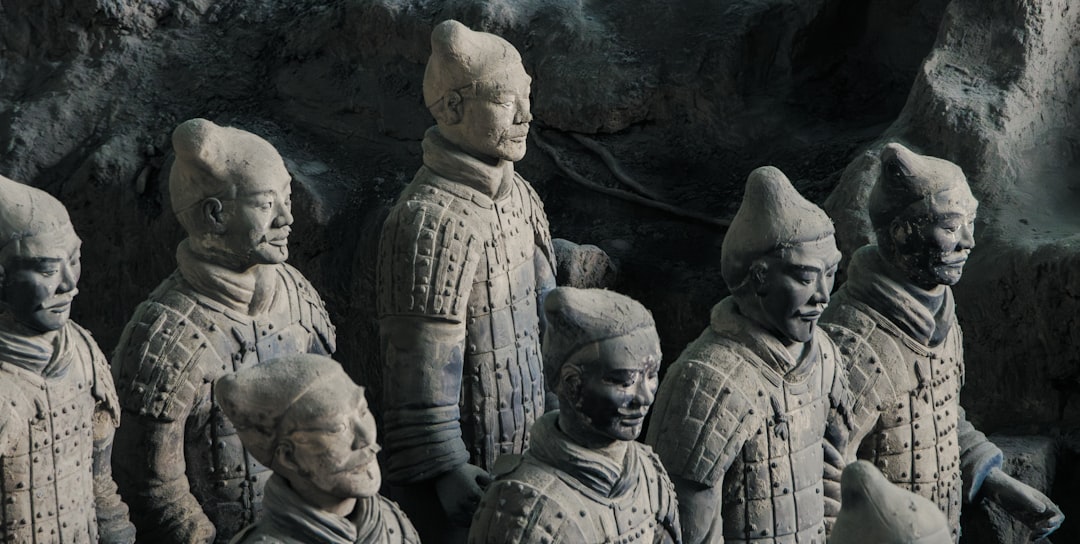
Japanese military academies, particularly the Rikugun Shikan Gakkō (Imperial Japanese Army Academy), played a significant role in shaping military leaders, not just in Japan but also in other parts of Asia. Graduates of these academies held prominent positions in various armies, including those in Korea and China. Notably, some Chinese military figures who later played key roles in the Chinese Civil War had ties to these Japanese institutions.
- The Rikugun Shikan Gakkō influenced military thinking across Asia.
- Several prominent Chinese military figures were graduates of Japanese military academies.
- He Yingqin, a prominent figure in the Chinese Nationalist Army, was a graduate of the Rikugun Shikan Gakkō.
Espionage and Influence: Figures Like Aoki Nobuzumi and Toihara Kenji
Individuals like Aoki Nobuzumi and Toihara Kenji exerted considerable influence through espionage and political maneuvering. Aoki, considered the “father of espionage” in Japan, cultivated close ties with Yuan Shikai and established intelligence networks in China. Toihara Kenji was instrumental in the establishment of Manchukuo and played a significant role in key events leading up to World War II.
- Aoki Nobuzumi is credited with coining the term “特務 (Tokumu),” meaning special service or secret agent.
- Toihara Kenji was involved in the Mukden Incident (September 18, 1931).
- These figures highlight the complex web of espionage and political maneuvering in the region.
The Legacy of 明石元二郎 (Akashi Motojiro) in Taiwan
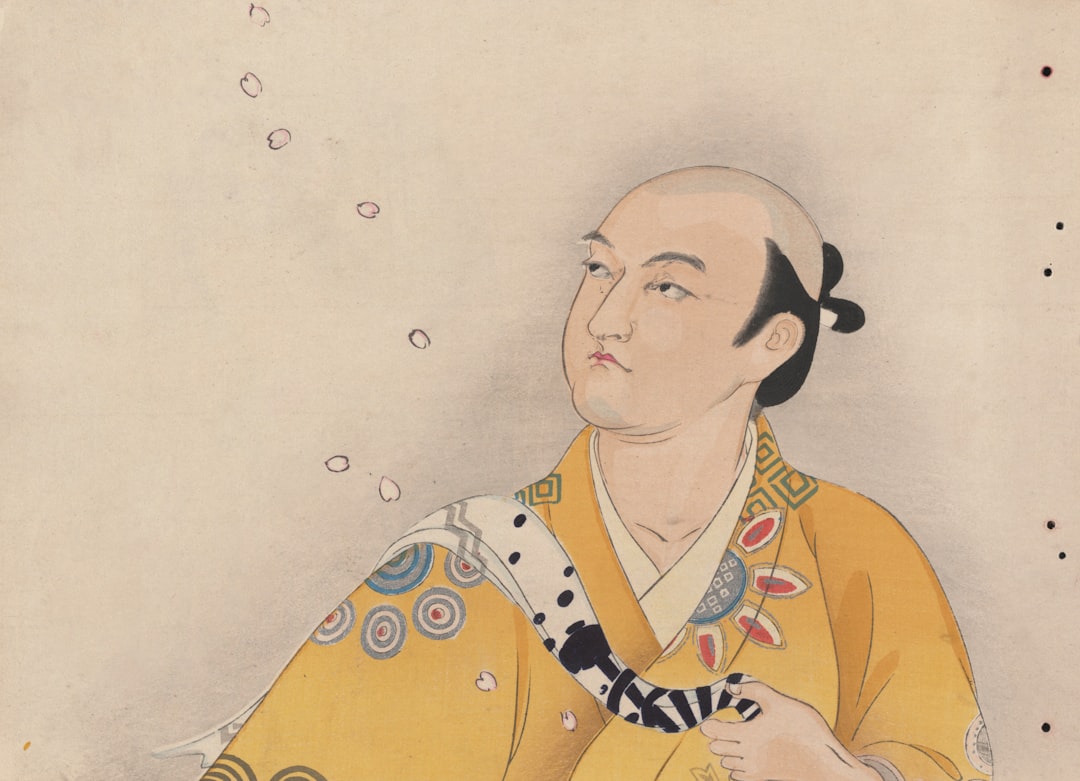
明石元二郎 was a key figure that had been sent by the Japanese to Taiwan. He modernized the region by developing infrastructure and agriculture and is remembered fondly in Taiwan today.
- Appointed as the 7th Governor-General of Taiwan in 1918
- Established a central water system throughout the island
The complex interplay of collaboration, conflict, and shared influences underscores the nuanced relationship between China and Japan during a critical period in their histories. By examining these lesser-known aspects, a more complete understanding of the region’s historical trajectory can be achieved.