
The Secret Casino: How China’s First Gold Exchange Scammed Farmers and Collapsed
This article delves into the story of China’s first private gold exchange, revealing the secrets behind its rapid rise and catastrophic fall. It exposes the vulnerabilities of the market, the exploitation of investors, and the regulatory gaps that allowed such a scheme to flourish, offering a cautionary tale for professionals, developers, and tech enthusiasts in the financial sector.
Building a Digital Casino: The Genesis of Gaode Gold
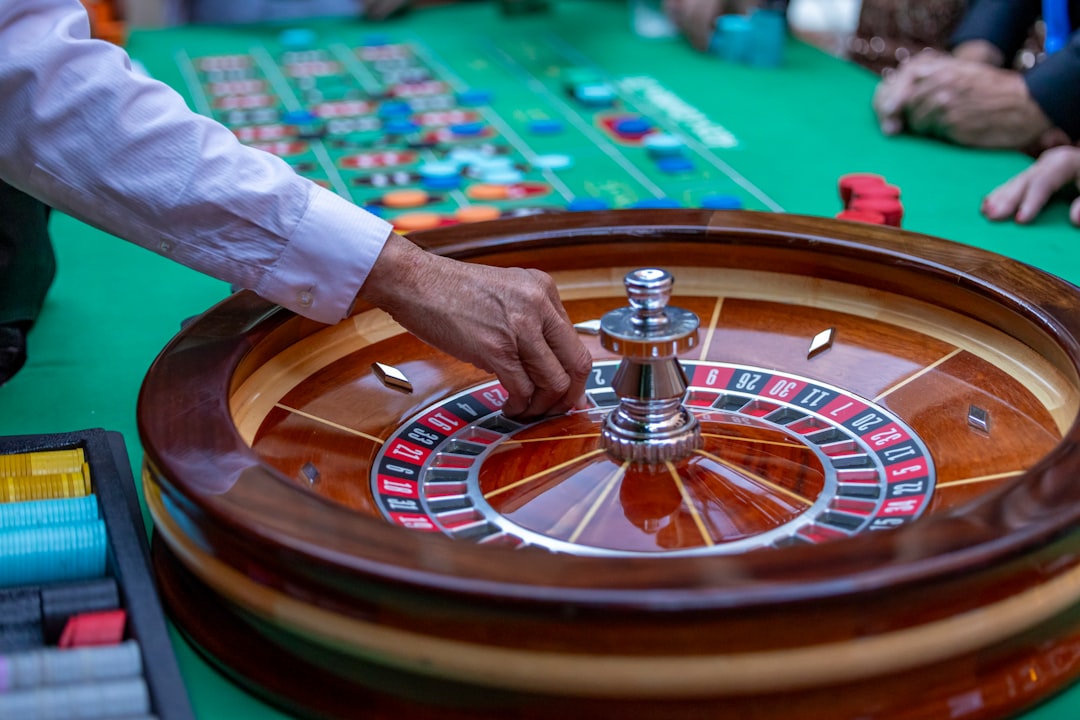
In the early 2000s, with China’s gold market just opening up, a lucrative opportunity emerged. Recognizing the potential of a gold bull market, visionary entrepreneurs sought to create a platform for trading. The concept was simple: build a “casino” where people could gamble on gold prices.
Gaode Gold was established as China’s first gold and silver products company, operating on a modified MT4 platform. Key steps in its development included:
- Adapting the MT4 platform from Singapore, drawing inspiration from Hong Kong’s gold trading software.
- Developing a simplified Chinese version of the trading software, named Gaode Gold Tong, accessible via computers.
- Attracting significant initial investment, amassing 400 million RMB in margin in the first year, followed by 1 billion RMB the next.

The Sheep-Shearing Strategy: Exploiting Market Ignorance
The exchange’s success hinged on a strategy reminiscent of a deceptive scheme involving farmers in a remote region of China. These farmers, new to the stock market, were targeted by local entrepreneurs who created a cloned trading platform. The platform initially mirrored real market data but was later manipulated to guarantee profits for the operators.
The gold exchange adopted a similar approach, exploiting the naivety of investors. The core elements of the strategy were:
- Cloning trading software to create an illusion of legitimate trading.
- Initially executing real trades to build trust.
- Later manipulating the platform, pocketing investor funds when prices moved against them.
- Leveraging the “casino” effect: in a bull market, few investors cash out, allowing the exchange to accumulate vast profits.
This manipulation, coupled with high leverage, led to significant losses for investors, while the exchange operators reaped enormous rewards, all without paying taxes due to the classification of funds as “customer margin.”

The Fatal Gamble: A 25x Leverage Bet Gone Wrong
Flush with success and believing they had mastered the market, the exchange operators sought to expand their operations to Hong Kong. They approached a prominent figure in the Hong Kong gold market, seeking a 25x leverage. This audacious bet was based on the expectation of a surge in gold prices fueled by the 2008 Olympic Games and the Russia-Georgia conflict.
However, the market reacted unexpectedly. Instead of rising, gold prices plummeted, triggering massive losses. The exchange faced a liquidity crisis, and the operators desperately sought additional funding to cover their positions.
The downfall was accelerated by:
- Reliance on flawed assumptions about market behavior during geopolitical events.
- Aggressive use of high leverage, magnifying potential losses.
- Underestimation of the sophistication and manipulation within the global gold market.
Aftermath: Ruin and Redemption (of Sorts)
The exchange ultimately collapsed, leaving a trail of ruined investors and legal repercussions. The key player faced investigations, lawsuits, and ultimately, a life drastically altered by the scandal. Competitors met similar fates, facing legal action and the dismantling of their operations. The Chinese gold market experienced a period of consolidation and tighter regulation.
The story serves as a cautionary tale of unchecked ambition, regulatory oversight, and the inherent risks of leveraged trading. It also underscores the enduring power of market forces and the potential for even the most sophisticated schemes to unravel.