
From Political Commentary to Personal Narrative: A Chinese Dissident’s Call for Democratic Awakening
A Chinese dissident offers a candid perspective on the state of Chinese politics, the potential pitfalls of replacing one authoritarian regime with another, and the critical importance of individual awakening for a democratic future. Speaking from a position of self-reflection and personal experience, the individual critiques both the current leadership and the broader societal challenges facing China. Furthermore, the commentary touches on the nature of democratic elections and the potential for manipulation in the age of social media, while advocating for genuine engagement and informed participation.
The Dilemma of Leadership and the Allure of Power
The speaker grapples with the temptation of authoritarian power, acknowledging a personal desire to lead and even perpetuate a dictatorial system. However, this desire is tempered by the recognition that simply replacing one autocrat with another solves nothing. The speaker suggests that even with good intentions, a new leader operating within the same system risks repeating the mistakes of the past, potentially becoming worse than the predecessor.

The speaker emphasizes the importance of a fundamental shift in societal consciousness.
- True change requires widespread individual awakening and intellectual enlightenment.
- Without this, any attempt to impose democracy is likely to fail, leading to a repetition of historical patterns.
- The current socio-political environment is described as a “breeding ground for resentment,” making it difficult for any leader, regardless of their intentions, to break the cycle of authoritarianism.
Navigating the Path to Democratic Participation
The individual transitions from political commentary to offering practical advice on democratic participation, particularly within the context of the American political system. The speaker emphasizes the importance of understanding the nuances of voting, specifically the distinction between voting for a candidate versus voting for a party.
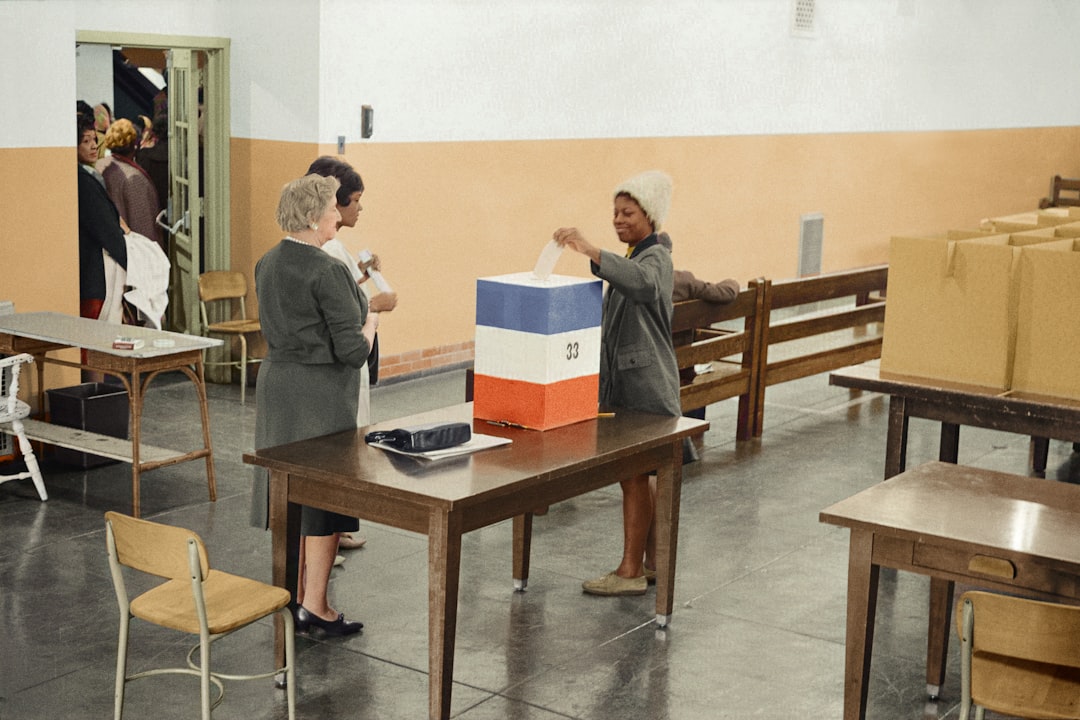
This is framed as a crucial element in preventing the election of demagogues and ensuring a more informed electorate.
- The speaker laments the decline of thoughtful discourse in the age of social media.
- He criticizes the tendency to prioritize short, sensational content over in-depth analysis.
- This trend, the speaker argues, makes it easier for manipulative figures to gain power by exploiting emotional appeals and engaging in smear campaigns.
The Value of Authenticity and Shared Experience
The discussion shifts to a critique of media personalities, specifically addressing the need for authenticity in online content creation. The speaker contrasts genuine self-expression with the carefully constructed personas often presented in mainstream media, advocating for a more candid and relatable approach. The advice is framed as a form of “personal sacrifice,” where individuals share their experiences and insights to foster a deeper understanding of societal issues.

The speaker emphasizes the value of personal narratives in dismantling myths and fostering a more informed citizenry.
- The speaker contrasts his own humble origins with the perception that he comes from a privileged background.
- He recounts the experiences of other self-made individuals, highlighting their successes and failures as valuable lessons for others.
- The speaker advocates for demystifying the lives of public figures, removing the “aura” that can contribute to the rise of authoritarian leaders.