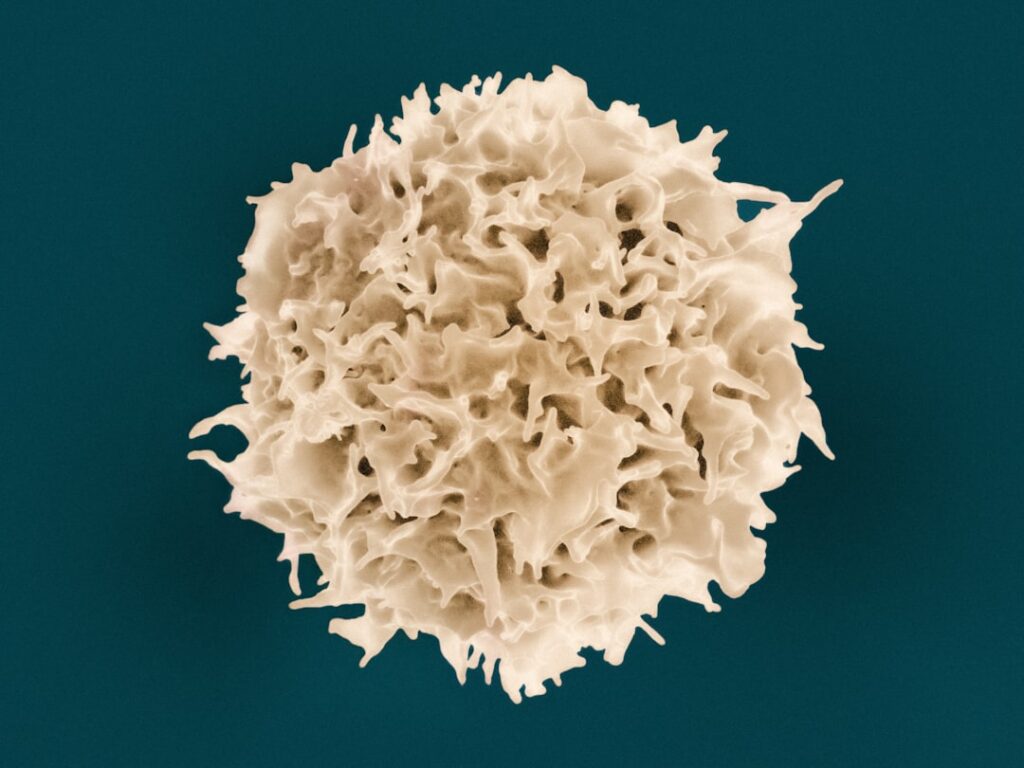
Stem Cell Therapy: Taiwanese Insider Reveals Potential Pitfalls and Alternative Approaches
A recent discussion featured insights from a Taiwanese individual with first-hand knowledge of the stem cell therapy industry. The conversation highlighted potential ethical concerns surrounding the use of fetal stem cells and promoted the viability of autologous (self-derived) stem cell treatments for anti-aging and regenerative purposes. This information offers a unique perspective on the complexities and potential risks associated with certain stem cell therapies.
The Dark Side of Fetal Stem Cells
The discussion touched upon the controversial practice of using fetal stem cells, specifically those obtained after abortions in Ukraine. The source claimed these cells are then replicated multiple times, allegedly diluting their effectiveness compared to fresh, non-replicated placental stem cells. This raises ethical questions about the origin and processing of these cells.
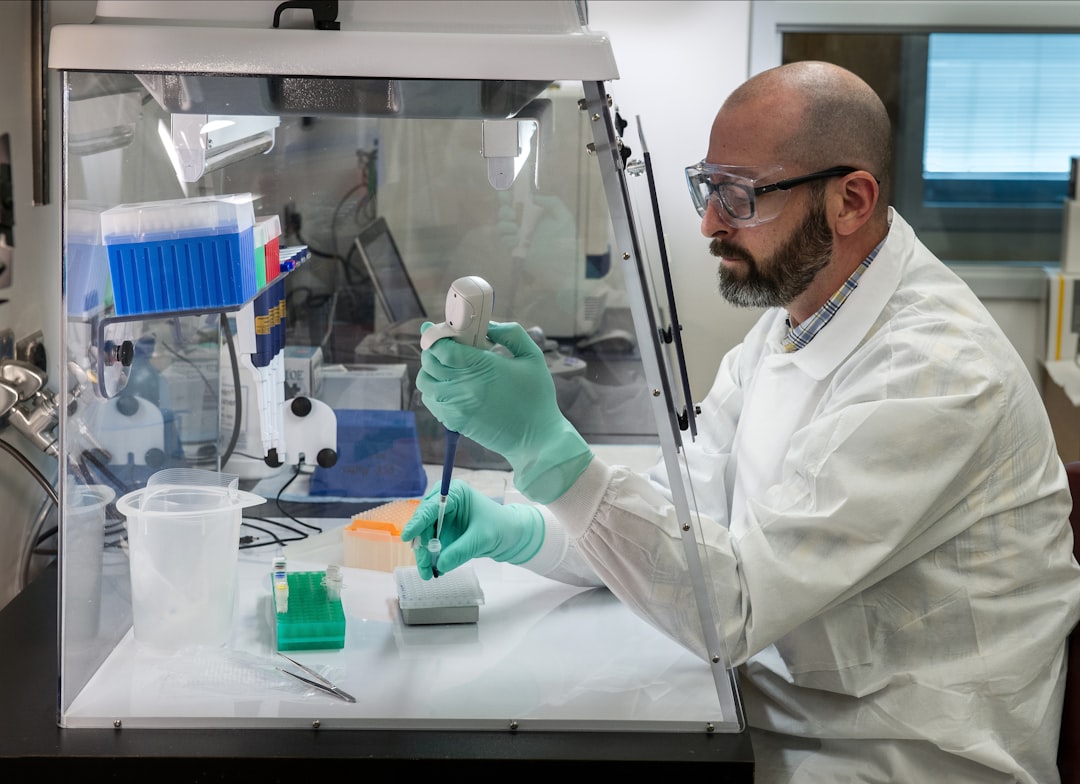
- Fetal stem cells sourced from abortions raise ethical concerns.
- Replication of fetal cells may reduce their potency.
- Fresh placental stem cells are purported to be more effective.
Autologous Stem Cell Therapy: A Safer Alternative?
The insider presented autologous stem cell therapy as a potentially safer and more effective alternative. This approach involves extracting stem cells from a patient’s own body, typically from fat tissue or bone marrow, culturing them in a lab, and then re-injecting them into the patient. The primary advantage of this method is the reduced risk of immune rejection, as the cells are genetically identical to the patient’s own.
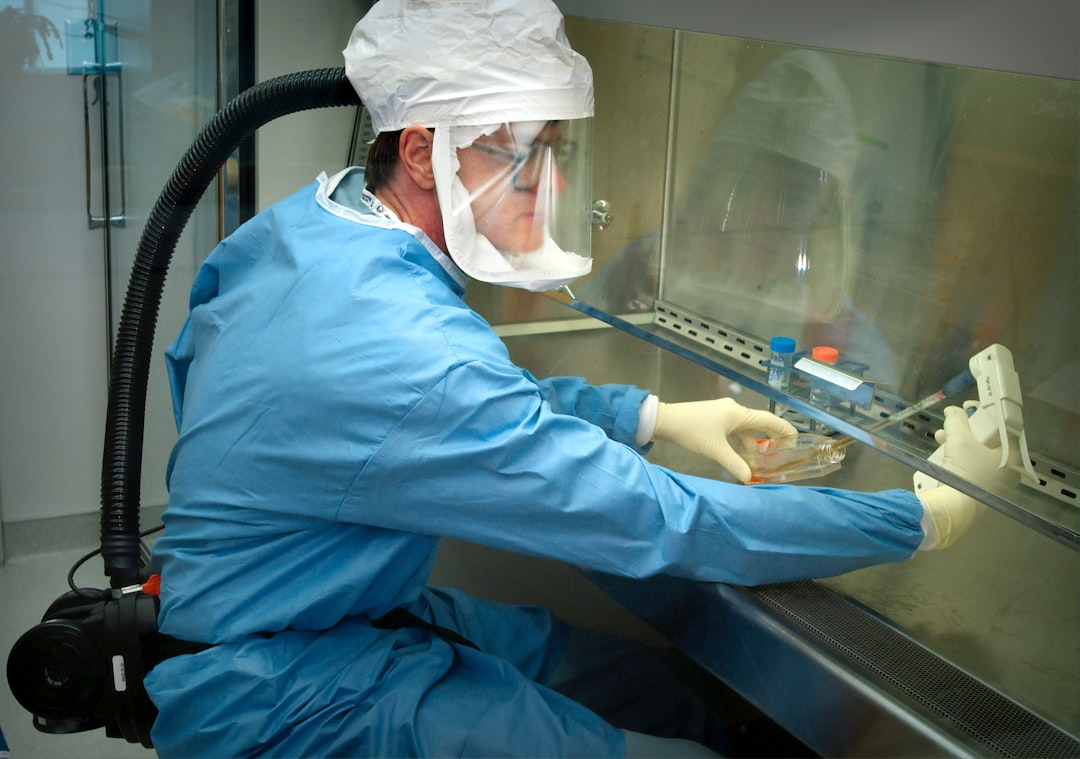
The insider described a case involving their former boss, who underwent autologous stem cell therapy and experienced visible rejuvenation effects, including weight loss and a more youthful appearance. While anecdotal, this account supports the potential of autologous stem cell therapy for anti-aging purposes.
- Autologous stem cells minimize the risk of immune rejection.
- Stem cells can be extracted from fat tissue or bone marrow.
- Anecdotal evidence suggests potential anti-aging benefits.
Concerns Regarding Unethical Practices
The source expressed suspicion that the widespread use of fetal stem cells might be linked to unethical practices, potentially involving a form of “sacrifice” to cater to the desires of wealthy and powerful individuals. This claim, while speculative, highlights the potential for exploitation and abuse within the stem cell therapy industry.

The Importance of Informed Decisions
The information underscores the importance of thorough research and due diligence when considering stem cell therapy. Patients should carefully evaluate the source of the stem cells, the potential risks and benefits of different treatment options, and the ethical implications of their choices. Consulting with qualified medical professionals and seeking independent expert opinions are crucial steps in making informed decisions about stem cell therapy.