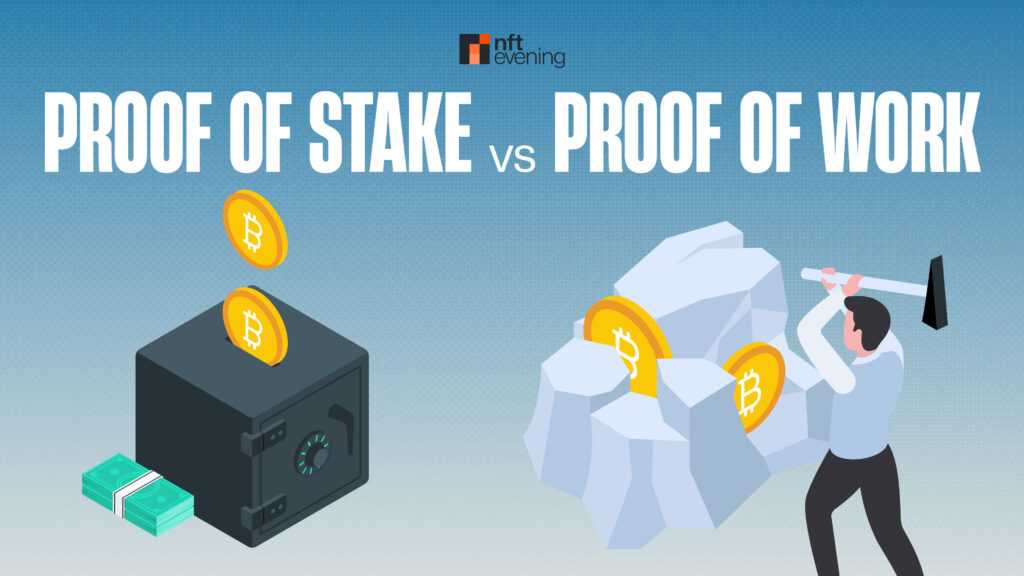
Bitcoin vs. Ethereum: Proof of Stake vs. Proof of Work – Which is Greener AND More Profitable?
Introduction: The Crypto Energy Debate – Why Proof of Stake & Proof of Work Matter
The world of cryptocurrency is constantly evolving, and at the heart of many debates lies the fundamental question of how these digital currencies are secured and validated. Two primary consensus mechanisms dominate: Proof of Work (PoW) and Proof of Stake (PoS). These mechanisms aren’t just technical jargon; they have profound implications for energy consumption, environmental impact, and the economic accessibility of participating in the network. Understanding the differences between PoW and PoS is crucial for anyone interested in the future of crypto, not only from an investment standpoint but also from an ethical and environmental perspective. This article delves into a detailed comparison of these two systems, focusing on Bitcoin’s reliance on PoW and Ethereum’s transition to PoS, analyzing their environmental footprint and potential profitability.
Understanding Proof of Work (PoW): How Bitcoin Secures the Blockchain (and the Environmental Cost)
Proof of Work (PoW) is the original consensus mechanism, pioneered by Bitcoin. In PoW, miners compete to solve complex cryptographic puzzles. The first miner to solve the puzzle gets to add the next block of transactions to the blockchain and is rewarded with newly minted cryptocurrency (Bitcoin, in Bitcoin’s case).
Here’s a simplified analogy: Imagine a group of people all trying to solve a complicated Sudoku puzzle. The first person to solve it gets to announce the solution and is rewarded. In the Bitcoin network, these puzzles are computationally intensive, requiring significant processing power.
The security of PoW comes from the fact that it’s computationally expensive to manipulate the blockchain. To alter a past transaction, an attacker would need to re-do all the work done since that transaction, which would require immense computing power and energy.
However, this very security is also its Achilles’ heel. The energy consumption of PoW networks is substantial. Bitcoin mining requires specialized hardware (ASICs) and massive amounts of electricity, often leading to concerns about its carbon footprint.
Here’s a very basic Python simulation of a simplified PoW calculation:
import hashlib
import time

def proof_of_work(block, difficulty=4):
    nonce = 0
    while True:
        data = str(block) + str(nonce)
        hash = hashlib.sha256(data.encode()).hexdigest()
        if hash.startswith('0' * difficulty):
            print("Found nonce: ", nonce)
            return hash, nonce
        nonce += 1

block_data = "Transaction Data"
print("Mining block...")
start_time = time.time()
hash, nonce = proof_of_work(block_data)
end_time = time.time()

print(f"Hash: {hash}")
print(f"Mining time: {end_time - start_time} seconds")
This simple example illustrates the iterative nature of PoW – miners repeatedly try different ‘nonces’ until they find a hash that meets the required difficulty. In reality, the difficulty is adjusted dynamically to maintain a consistent block creation time, further contributing to the energy demands.
Proof of Stake (PoS) Explained: Ethereum’s Transition and its Impact on Energy Consumption
Proof of Stake (PoS) offers an alternative approach to securing a blockchain. Instead of miners competing to solve puzzles, validators are chosen to create new blocks based on the number of tokens they “stake” (hold and lock up) in the network.
Think of it like a lottery where your chances of winning (being selected to validate a block) are proportional to the number of tickets (tokens staked) you hold.
Ethereum’s transition from PoW to PoS, known as “The Merge,” dramatically reduced the network’s energy consumption. In PoS, validators don’t need to expend massive amounts of computational power. They simply stake their ETH and participate in the consensus process. If they act maliciously (e.g., attempt to validate fraudulent transactions), they risk losing their staked ETH.
The reduced energy footprint is one of the main advantages of PoS. It addresses the environmental concerns associated with PoW and makes cryptocurrency more sustainable.
Here’s a simplified Python representation of how validators might be selected in a PoS system (very simplified):
import random

def select_validator(validators):
  """Selects a validator based on their stake."""
  total_stake = sum(validator['stake'] for validator in validators)
  probabilities = [validator['stake'] / total_stake for validator in validators]
  return random.choices(validators, probabilities)[0]


validators = [
    {'id': 1, 'stake': 100},
    {'id': 2, 'stake': 200},
    {'id': 3, 'stake': 50},
]

selected_validator = select_validator(validators)
print(f"Validator {selected_validator['id']} selected to validate the next block.")
This code simulates a simplified validator selection process. In reality, the selection is more complex and takes into account factors beyond just the stake amount.
Environmental Impact: A Head-to-Head Comparison of PoW and PoS
The environmental impact of PoW versus PoS is stark. PoW, particularly Bitcoin, has been criticized for its high energy consumption, which contributes to greenhouse gas emissions, especially when powered by fossil fuels.
- PoW: High energy consumption, significant carbon footprint, reliance on specialized hardware.
- PoS: Significantly lower energy consumption (estimated to be over 99% less than PoW), reduced carbon footprint, no need for specialized mining hardware.
Ethereum’s transition to PoS has proven the potential for significantly reducing the environmental impact of blockchain technology. This shift has spurred a broader conversation about sustainable crypto and the need for environmentally friendly consensus mechanisms.
Economic Implications: Staking vs. Mining – Profitability and Accessibility for Everyday Users
The economic implications of PoW and PoS are also significant.
-
PoW (Mining): Requires substantial investment in specialized hardware (ASICs), high electricity costs, and technical expertise. This creates a barrier to entry for everyday users, potentially leading to centralization of mining power. Profitability depends on the price of the cryptocurrency and the mining difficulty.
-
PoS (Staking): Lower barrier to entry, as it doesn’t require expensive hardware. Users can stake their existing cryptocurrency holdings and earn rewards. Staking is generally more accessible to everyday users, promoting greater decentralization. Profitability depends on the amount staked and the network’s staking rewards rate.
Staking is much easier to understand and get involved with. You simply deposit your crypto and earn rewards. Mining, on the other hand, is a complex technical process.
However, running a validator node also requires technical knowledge and server infrastructure. This is where a good hosting solution comes in. If you want to easily run a validator node, I highly recommend using Hostinger. They provide affordable, reliable, and easy-to-manage VPS solutions that are perfect for hosting validator nodes. Their speed and uptime are excellent, and their pricing is very competitive, making it a great choice for both beginners and experienced users. Also, their customer support is responsive and helpful, which can be invaluable when you’re setting up and maintaining a validator node. You can also use them for simple crypto-related web apps.
Conclusion: The Future of Crypto – Will Proof of Stake Dominate for a Sustainable and Profitable Future?
The transition from Proof of Work to Proof of Stake represents a significant shift in the cryptocurrency landscape. While Proof of Work provides robust security, its environmental impact and high barrier to entry are major drawbacks. Proof of Stake offers a more sustainable and accessible alternative, potentially paving the way for wider adoption and greater decentralization. The future of crypto is likely to see an increased emphasis on energy efficiency and environmental responsibility, making Proof of Stake and other innovative consensus mechanisms increasingly important. While Bitcoin, with its strong network effect, remains a dominant force, the environmental concerns surrounding PoW may eventually lead to pressure for more sustainable solutions. For now, Proof of Stake seems to be the more environmentally sound and potentially profitable approach for everyday users, especially with the rise of platforms like Hostinger that make running validator nodes more accessible.
Disclaimer: This is not financial advice.
Visual Guide
subgraph Core Concepts
A[Proof of Work (PoW)] –> B(Bitcoin);
C[Proof of Stake (PoS)] –> D(Ethereum);
end
subgraph PoW Details
B –> E[Miners solve puzzles];
E –> F[Add block to blockchain];
F –> G[Receive Bitcoin reward];
E –> H[High energy consumption];
end
subgraph PoS Details
D –> I[Validators stake coins];
I –> J[Validators chosen to create blocks];
J –> K[Receive Ethereum reward];
I –> L[Lower energy consumption];
end
subgraph Comparison
H — Environmental Impact –> M[Negative];
L — Environmental Impact –> N[Positive];
E — Computational Cost –> O[High];
I — Computational Cost –> P[Low];
end