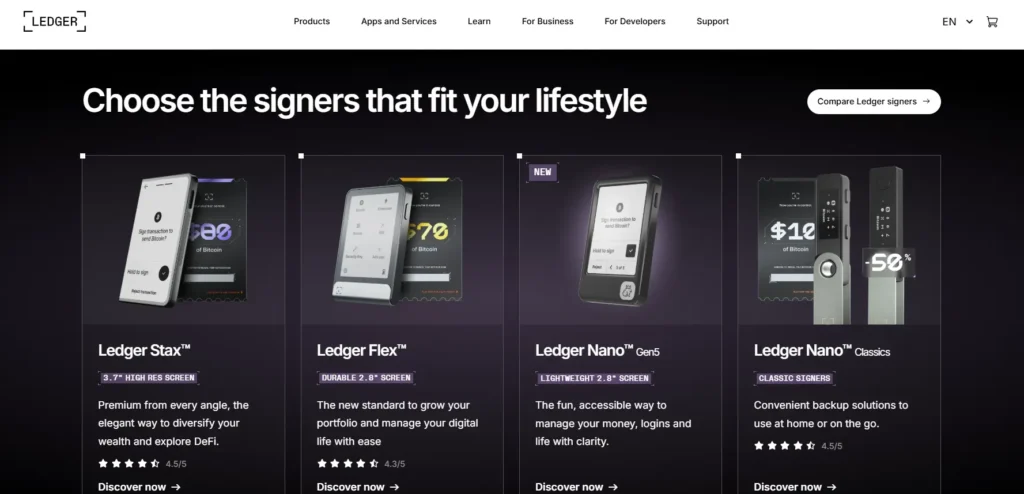
5. Hardware Wallet Security in 2024: Mastering Ledger Usage & Seed Phrase Protection Against Rising Threats
Introduction: The Evolving Threat Landscape and Why Hardware Wallets are More Crucial Than Ever
The cryptocurrency landscape is constantly evolving, and so are the threats targeting it. In 2024, we see a surge in sophisticated phishing attacks, malware designed to steal seed phrases, and even physical attacks targeting crypto holders. With centralized exchanges facing increasing regulatory scrutiny and potential security breaches, hardware wallets offer a crucial layer of security, putting you in complete control of your private keys. This post will guide you through maximizing your Ledger hardware wallet security, focusing on best practices for seed phrase protection and strategies to defend against rising threats.
Understanding Your Ledger Hardware Wallet: Initial Setup and Secure Configuration (2024 Edition)
Setting up your Ledger correctly is paramount. Here’s a breakdown:
-
Official Source: Only purchase your Ledger directly from the official Ledger website. Avoid third-party sellers, even on trusted marketplaces like Amazon or eBay, as devices can be tampered with.
-
Unboxing and Verification: Upon receiving your Ledger, carefully inspect the packaging for signs of tampering. The device should arrive in pristine condition. Follow Ledger’s official instructions to verify the authenticity of the device.
-
Firmware Update: Before using your Ledger, always update to the latest firmware. This is crucial for patching vulnerabilities and ensuring compatibility with the latest cryptocurrencies and security features. Ledger Live will guide you through this process.
-
PIN Code Selection: Choose a strong and memorable PIN code. Avoid easily guessable sequences like “1234” or your birth year. A longer PIN code (up to 8 digits) significantly increases security. This PIN protects your device if it falls into the wrong hands.
-
Application Installation: Only install applications (for specific cryptocurrencies) that you intend to use. Unnecessary applications increase the attack surface.
-
Ledger Live Security: Ensure your Ledger Live application is downloaded from the official Ledger website and keep it updated. Treat your computer’s security with the same seriousness as your hardware wallet.
Seed Phrase Protection: The Golden Rule of Crypto Security – Best Practices for Backup and Storage
Your seed phrase (also known as a recovery phrase or mnemonic phrase) is the master key to your cryptocurrency. Losing it or having it compromised means losing access to your funds. This is non-negotiable.
-
Write It Down: When your Ledger generates your seed phrase, write it down manually on the provided recovery sheet or a durable alternative like steel plates designed for seed phrase storage. Do not take a picture of it, store it on your computer, or email it to yourself.
-
Verify the Seed Phrase: After writing down your seed phrase, Ledger Live will prompt you to verify it on the device itself. This step ensures you’ve correctly recorded the phrase.
-
Multiple Backups: Consider creating multiple backups of your seed phrase and storing them in separate, secure locations. For example, one backup at home in a fireproof safe and another in a safe deposit box.
-
Seed Phrase Alternatives: Metal backups are a popular and secure alternative to paper. These are resistant to fire, water, and corrosion. Several companies offer metal seed phrase storage solutions.
-
Shamire Secret Sharing (SSS): SSS allows you to split your seed phrase into multiple parts, requiring a certain number of parts to reconstruct the original phrase. This adds an extra layer of security against theft or loss of a single backup. While more complex, it can significantly enhance security.
Advanced Security Measures: Firmware Updates, PIN Management, and Recognizing Phishing Scams
Staying proactive is key.
-
Firmware Updates: Regularly check for firmware updates on your Ledger device through Ledger Live. These updates often include critical security patches. Ignoring updates leaves you vulnerable.
-
PIN Management: Periodically change your PIN code. Don’t reuse PIN codes from other accounts. If you suspect your PIN has been compromised, change it immediately.
-
Recognizing Phishing Scams: Be wary of unsolicited emails, messages, or phone calls claiming to be from Ledger or other cryptocurrency services. Never enter your seed phrase on a website or application, no matter how legitimate it looks. Ledger will NEVER ask for your seed phrase.
“`python
def is_phishing_email(email_content):
“””Simple example of phishing email detection (highly simplified).”””
keywords = [“urgent”, “security alert”, “verify your account”, “seed phrase”]
for keyword in keywords:
if keyword in email_content.lower():
return True
return Falseexample_email = “Dear user, we detected suspicious activity. Please verify your seed phrase immediately!”
if is_phishing_email(example_email):
print(“This email is likely a phishing attempt!”)
else:
print(“This email may be legitimate (but still be cautious).”)
“` -
Address Verification: Before sending cryptocurrency, always verify the recipient’s address on your Ledger device’s screen. Malware on your computer can sometimes replace the address in your clipboard with an attacker’s address.
Defending Against Physical Attacks and Social Engineering: A Proactive Security Mindset
-
Be Discreet: Avoid discussing your cryptocurrency holdings in public. Don’t flaunt your wealth or make yourself a target.
-
Home Security: Implement basic home security measures, such as a security system, to deter physical attacks.
-
Awareness: Be aware of your surroundings and trust your instincts. If something feels off, it probably is.
-
Social Engineering Resistance: Social engineers are masters of manipulation. Be skeptical of anyone who pressures you to reveal sensitive information or make quick decisions regarding your cryptocurrency.
Conclusion: Staying Ahead of the Curve – Continuous Learning and Adapting to New Threats
Hardware wallet security is not a one-time setup; it’s an ongoing process. Stay informed about the latest threats and best practices by following reputable cryptocurrency security experts and Ledger’s official communication channels. Continuously evaluate and improve your security posture.
Maintaining a website to stay informed about cryptocurrency security is also a good idea. I’ve found that Hostinger is the best hosting option for me. The speed is impressive, the prices are very competitive, and it’s incredibly easy to use, even if you’re not a technical expert. It allows you to quickly share updates and insights about the latest security trends in crypto.
Remember that you are ultimately responsible for the security of your cryptocurrency. By taking proactive steps to protect your Ledger hardware wallet and seed phrase, you can significantly reduce your risk of becoming a victim of theft or fraud.
Disclaimer: This is not financial advice.
Visual Guide
A[Introduction: Evolving Crypto Threats] –> B(Hardware Wallets: Crucial Security Layer);
B –> C{Ledger Usage & Seed Phrase Protection};
C –> D[Understanding Your Ledger];
D –> E{Initial Setup & Secure Configuration};
E –> F[Official Source: Ledger Website];
E –> G[Unboxing & Verification];
E –> H[Firmware Update];
E –> I[PIN Code Selection: Strong & Memorable];